Concerns & Documentation
Documentation of concerns related to the truck stop. Each concern is documented with supporting evidence or imagery.
Table of Contents
Jump to any concern by clicking the links below
In November 2024, the city of Ventura, California, issued an urgent warning to residents after gasoline was discovered contaminating the municipal drinking water supply near a gas station at Harbor Boulevard and Monmouth Way. The contamination, traced to a gas leak that had affected the sewer line and storm drain, rendered tap water unsafe for all uses including washing, cooking, and drinking. Officials emphasized that standard water treatment methods like boiling, freezing, filtering, or adding disinfectants could not remove gasoline contamination, forcing residents to rely exclusively on bottled water for all daily needs. Families were forced to cancel Thanksgiving plans as the community grappled with the water crisis, with authorities limiting residents to just 5 gallons of potable water per family per day from emergency distribution sites. This incident demonstrates the catastrophic impact a single gas station leak can have on a community's most essential resource, highlighting why additional gas stations near residential areas represent an unacceptable risk to public health and safety.

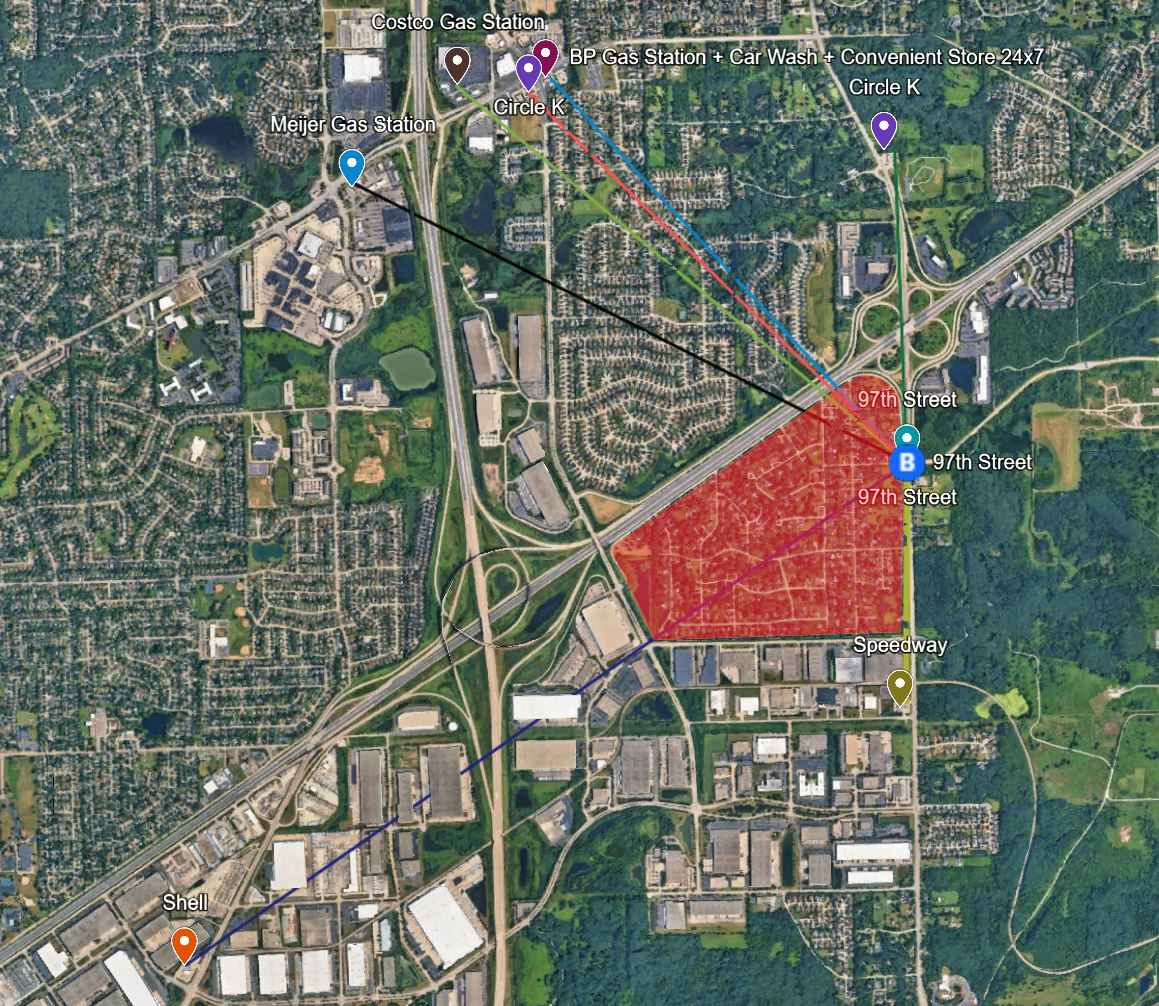
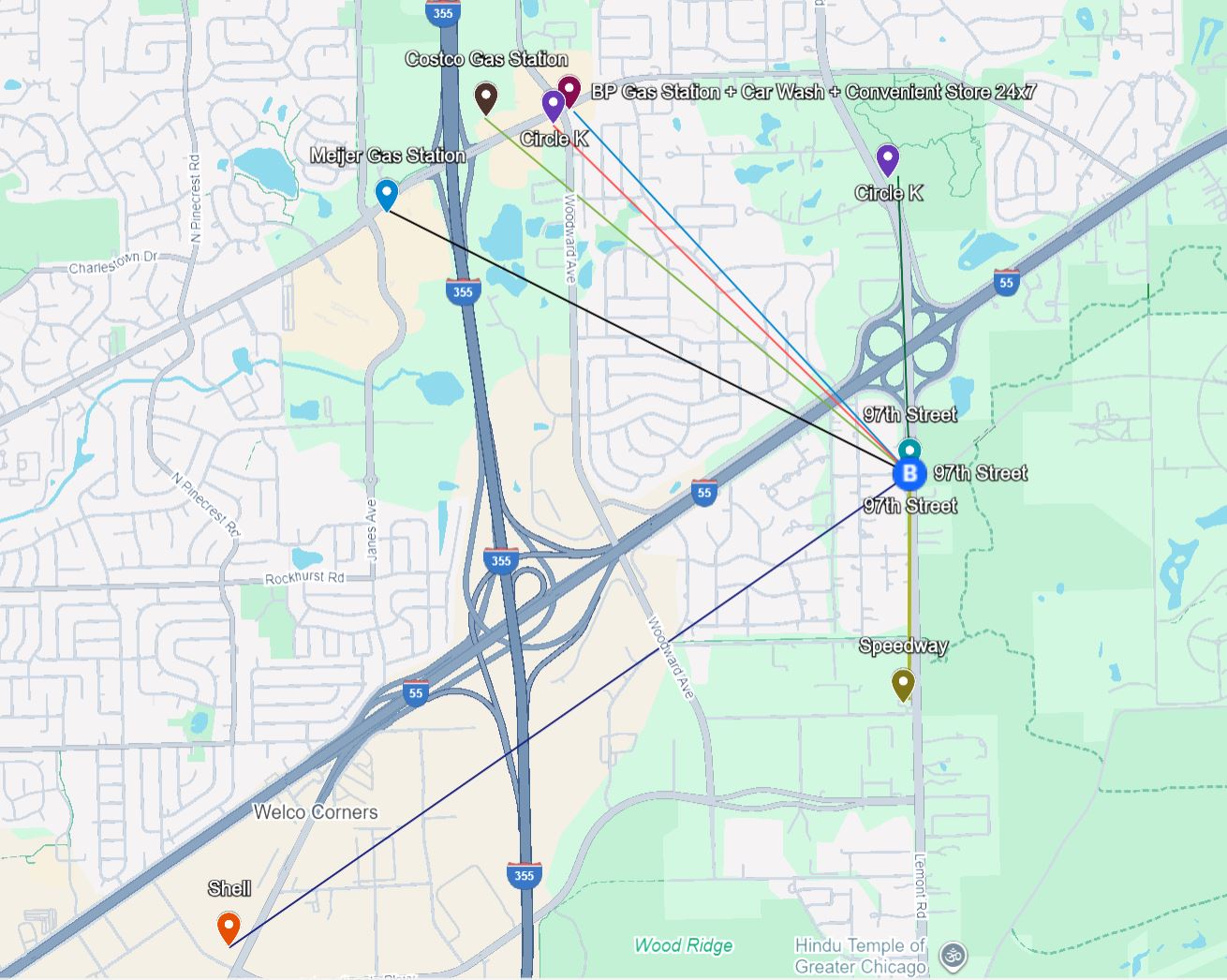
The Pleasantdale subdivision is already surrounded by an excessive concentration of gas stations, with 6 gas stations located within a 2-mile radius of our residential area and 2 gas stations within 1 mile. This includes major chains such as BP, Circle K, Costco, Meijer, Shell, and Speedway, creating a saturation of fuel facilities in our area. The addition of yet another gas station at the proposed truck stop location is completely unnecessary and would only compound the existing environmental and health concerns our neighborhood already faces.
Given the well-documented health risks associated with living near gas stations (benzene exposure, increased childhood leukemia risk, respiratory issues, and the cumulative effects of volatile organic compounds), adding another gas station to an already oversaturated area represents an unacceptable escalation of public health threats. The pollution from fuel evaporation, vehicle emissions, and diesel truck exhaust would further degrade air quality in our community.
The World Health Organization has identified benzene exposure as a major public health concern, stating that human exposure to benzene has been associated with a range of acute and long-term adverse health effects and diseases, including cancer and haematological effects. Exposure occurs through the ubiquitous use of benzene-containing petroleum products, including motor fuels and solvents. Benzene is highly volatile, and exposure occurs mostly through inhalation. WHO emphasizes that public health actions are needed to reduce the exposure of both workers and the general population to benzene.
The International Agency for Research on Cancer (IARC) has classified benzene as carcinogenic to humans (Group 1), with sufficient evidence linking it to acute non-lymphocytic leukemia, including acute myeloid leukemia. According to WHO, benzene causes haematotoxicity and is immunosuppressive, which chronic exposure can cause reduced production of both red and white blood cells from bone marrow, and higher exposures can lead to aplastic anaemia and pancytopenia. Additionally, benzene is metabolically activated to electrophilic metabolites, induces oxidative stress, and is genotoxic, causing DNA damage and chromosomal changes. WHO guidelines state that no safe level of exposure to airborne benzene can be recommended due to its carcinogenic properties.
The main sources of benzene in the environment include automobile exhaust, industrial sources, and fuel evaporation from gasoline filling stations. WHO specifically notes that levels of benzene are increased in homes close to petrol filling stations and in areas with heavy traffic, with children who spend more time indoors having higher exposure risk. To mitigate these risks, WHO recommends reducing exposure at petrol filling stations as far as possible through best practices in location, design, and extraction, as well as minimizing emissions from vehicle exhausts. These WHO findings underscore the serious health implications of facilities that concentrate benzene-emitting activities in proximity to residential areas.

Extensive research indicates that living in proximity to gas stations poses significant health risks, primarily related to exposure to benzene and other volatile organic compounds (VOCs) released through fuel evaporation and transfer processes. Studies consistently show elevated cancer risks, particularly childhood leukemia, for residents living within 50–100 meters of these facilities. The risk increases with proximity, station throughput volume, and the absence of emission-control technologies.
Multiple epidemiological studies have established links between residence near gas stations and increased risk of childhood leukemia. A population-based case-control study in northern Italy showed that children residing less than 50 meters from a gas station had more than double the risk of developing leukemia (risk ratio = 2.2) compared to children living 1,000 meters or more away. The association was even stronger for acute lymphoblastic leukemia (risk ratio = 2.9). Risk follows a dose-response pattern, decreasing as distance increases, with children exposed to high-volume gas stations showing greater leukemia risk than unexposed children.
Exposure to VOCs from gas stations has also been linked to serious respiratory problems, particularly asthma exacerbation. Children living near busy roads and gas stations experience increased respiratory symptoms, decreased lung function, more respiratory hospitalizations, and worsened asthma. Children without a family history of asthma are more likely to develop it if they live close to heavy traffic and gas stations. The elderly, individuals with pre-existing respiratory or cardiovascular conditions, and pregnant women are considered particularly vulnerable populations.
Health Canada has concluded that inhalation exposure to benzene from gas station emissions may pose unacceptable risks to nearby residents. Health authorities recommend minimum setback distances between gas stations and residential buildings, with the greatest risk occurring within 50–100 meters of these facilities. Protective measures such as mandatory setback distances, advanced emission controls, and consideration of station throughput are essential to reduce these documented health risks to our community.


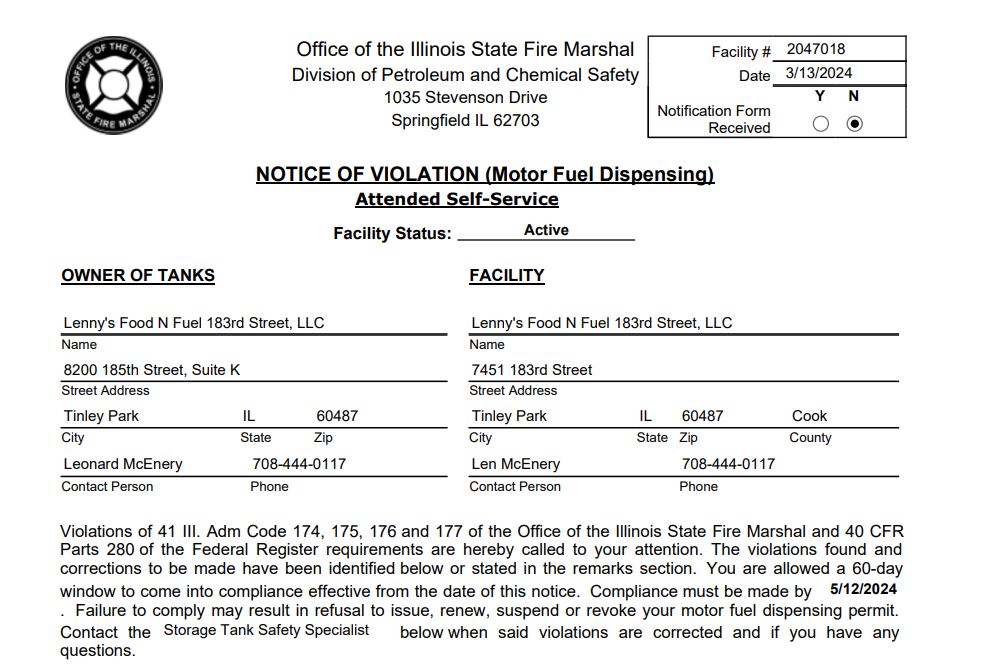
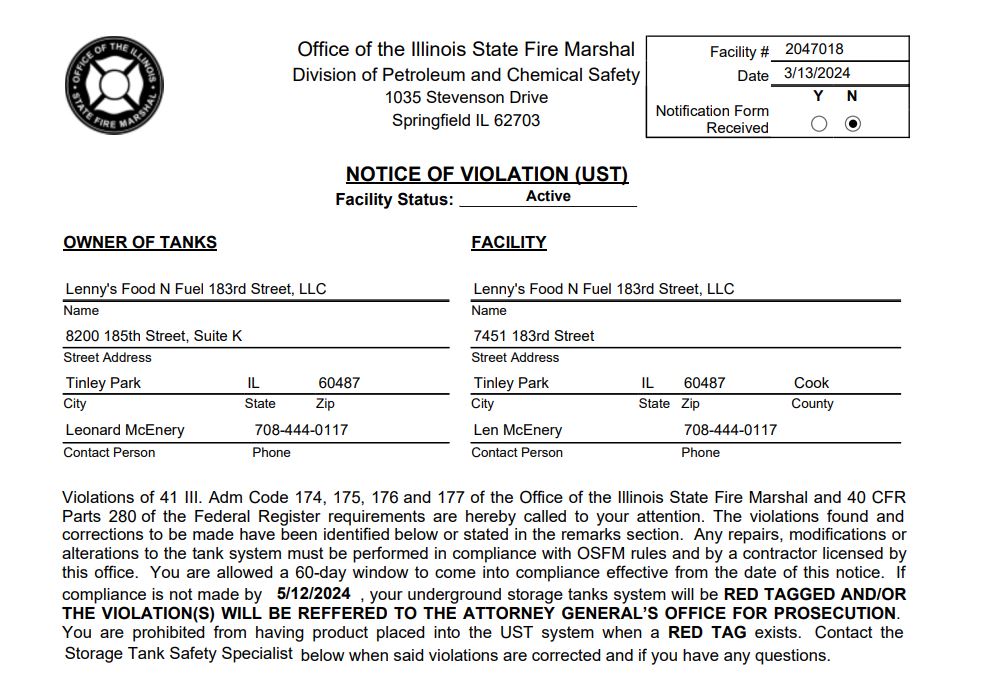
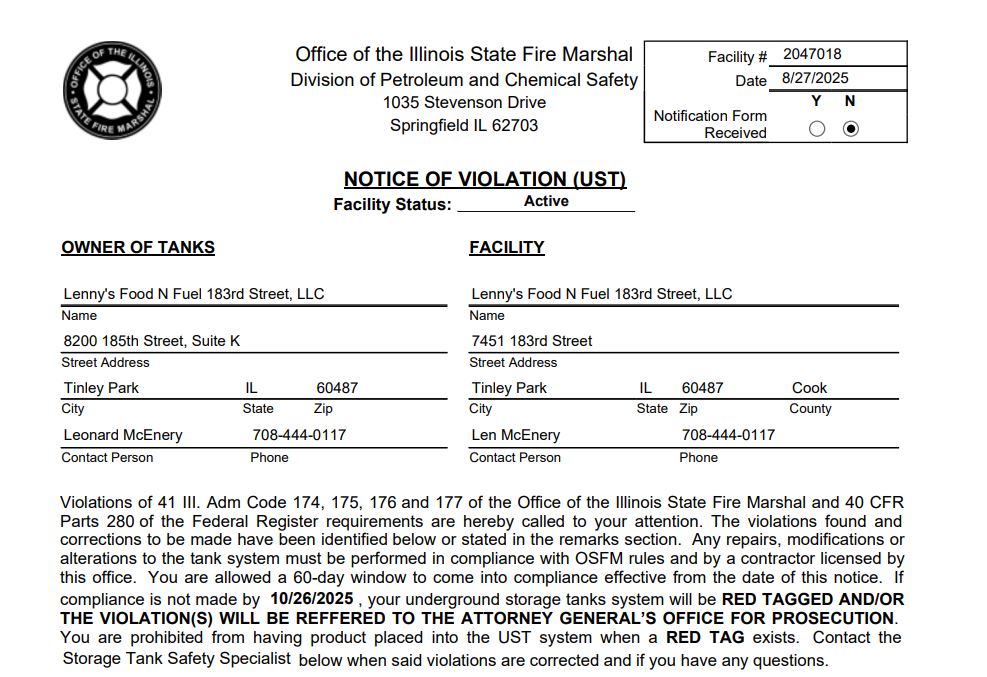
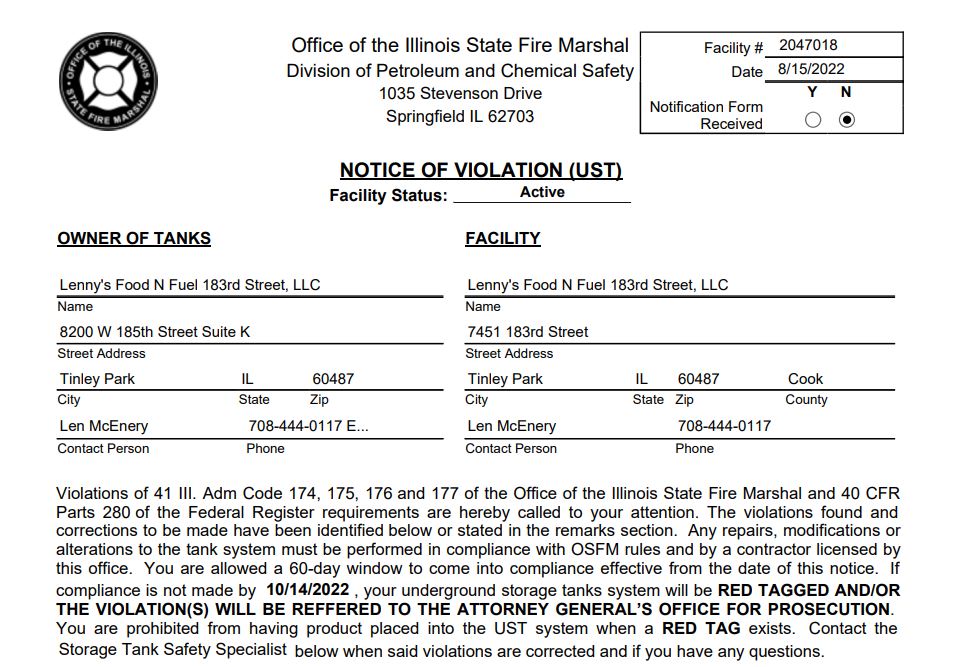
Public inspection records from the Illinois State Fire Marshal reveal a troubling pattern of safety and environmental violations at the Gas N Wash in Tinley Park (7451 183rd Street).
Over the past several years, this Gas N Wash location has repeatedly failed state inspections for serious issues, including leak detection equipment that failed testing, spill prevention systems that did not work, and underground fuel piping sensors that were disabled or improperly configured. In one case, inspectors found a diesel fuel line leak detector in alarm, meaning a potential leak could have gone unnoticed. The site was also cited for inoperable emergency communication systems, which are required to alert attendants and shut down pumps in the event of a fire or spill.
These are recurring violations spanning from 2022 through 2025. Such noncompliance raises serious questions about how safely this company manages hazardous materials.
Source: Office of the Illinois State Fire Marshal
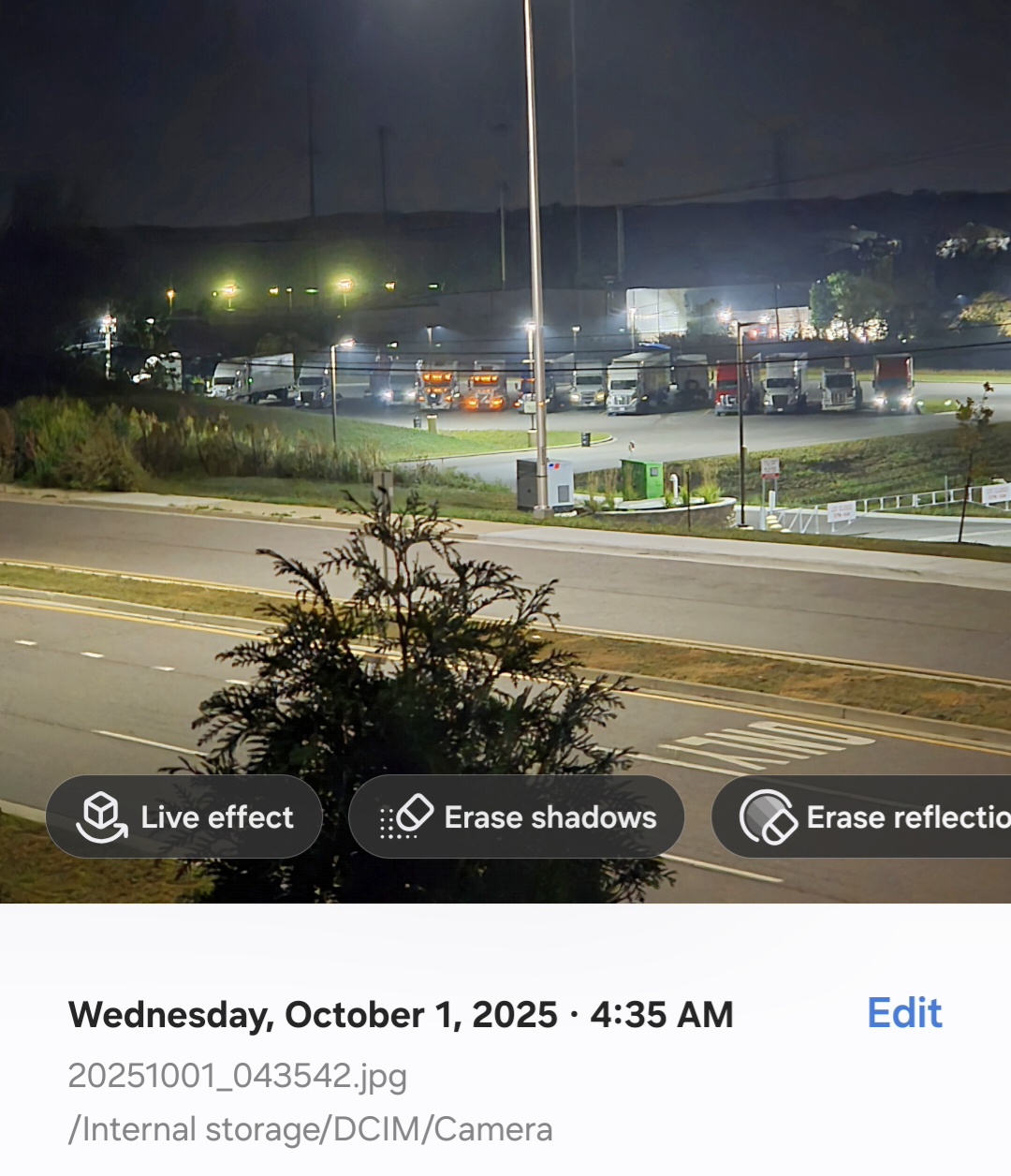
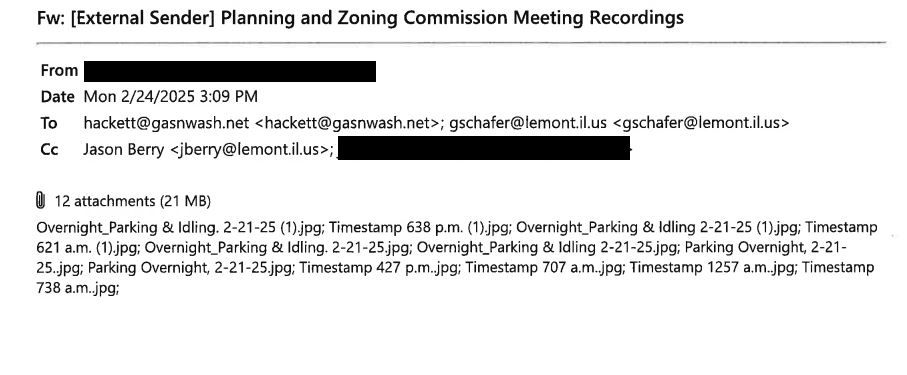
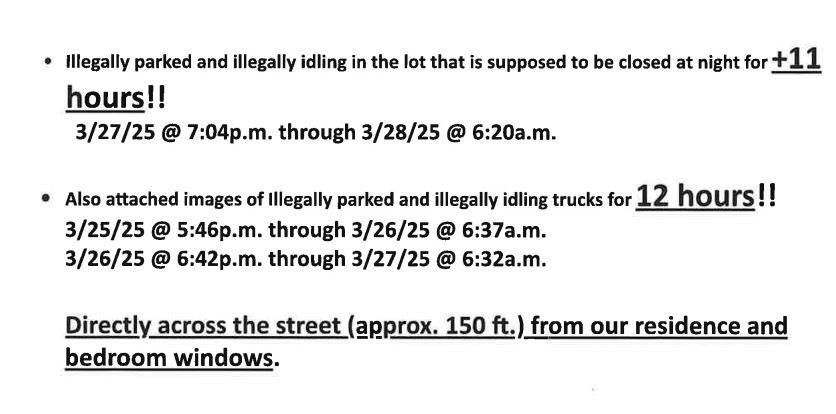
Multiple instances of commercial trucks illegally parking and idling overnight have been documented at the Gas N Wash on Route 83 in Lemont, IL. This violates local ordinances and creates noise and air pollution that affects nearby residential areas.
Despite repeated complaints to local authorities, the practice continues to this day. Residents have documented these violations with photographic evidence and email correspondence with village officials. Cumulatively, about 100 images were shared with officials over the span of several months (February 2025 through October 2025). If these practices are continuing despite constant complaints, why would it be any different at the proposed Lemont Road location?
Relevant Statute: Excessive Idling, Illinois General Assembly, Statute 625 ILCS 5-11-1429
Download all ~100 images spanning from Feb 2025 through Oct 2025: Download .ZIP File
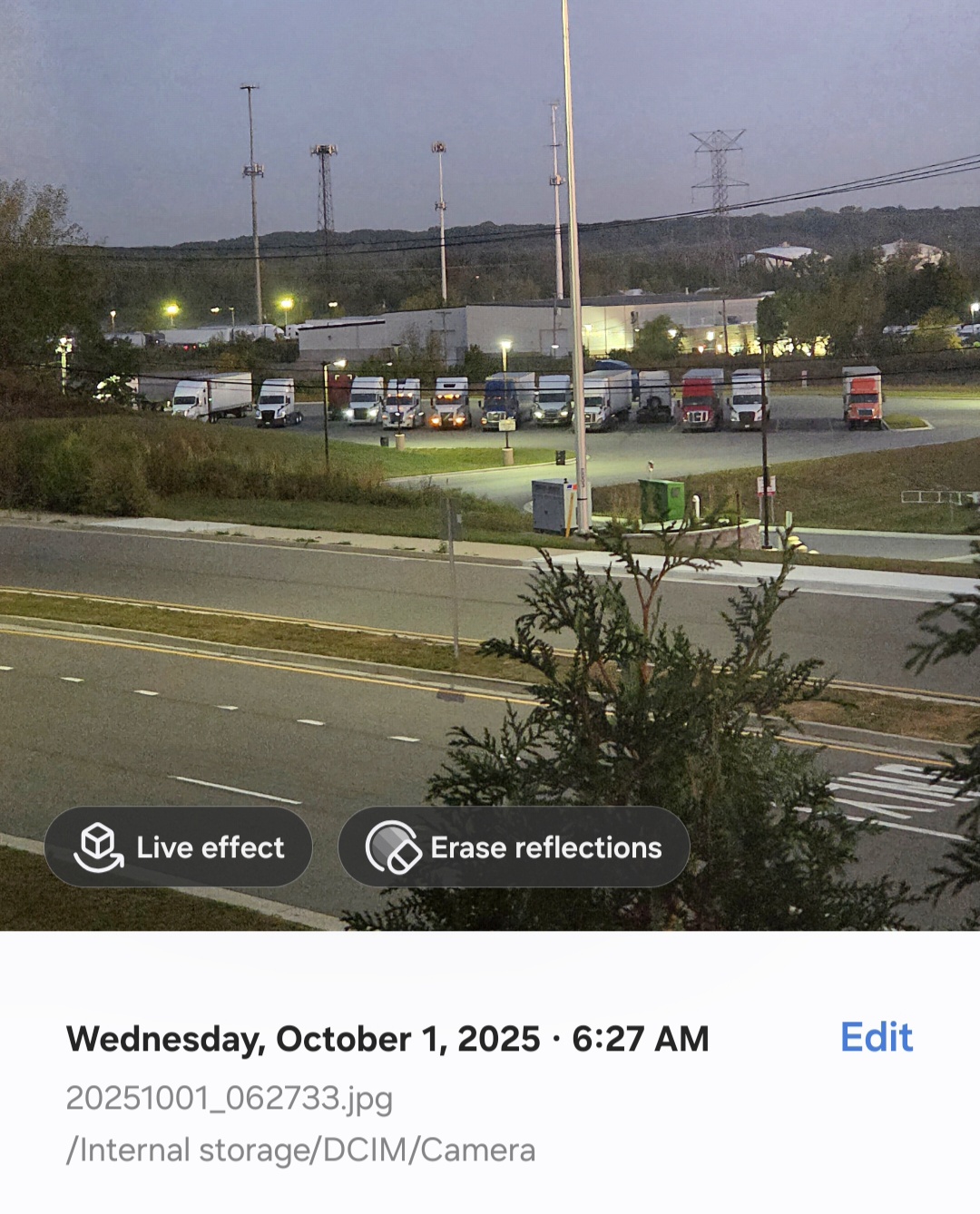
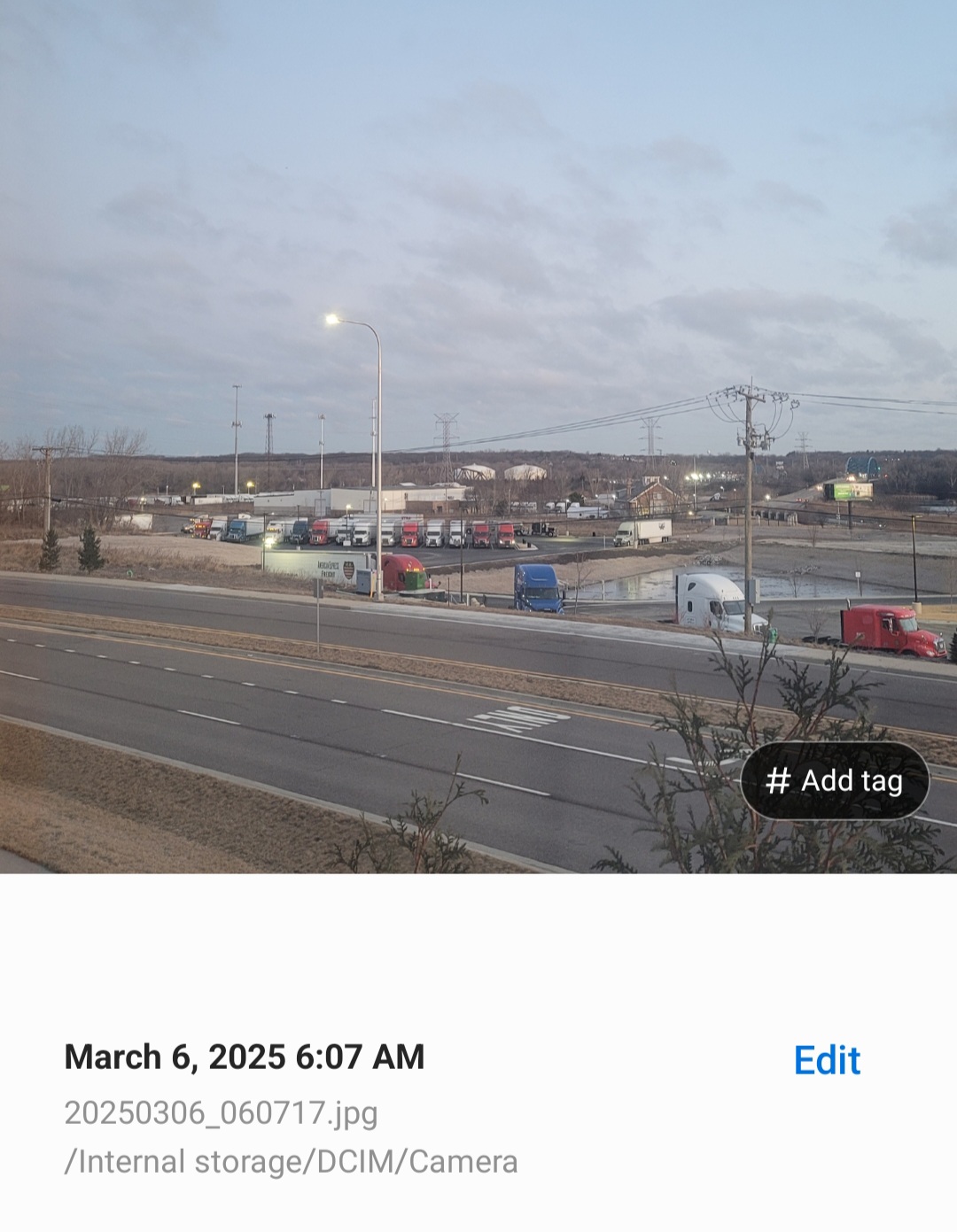
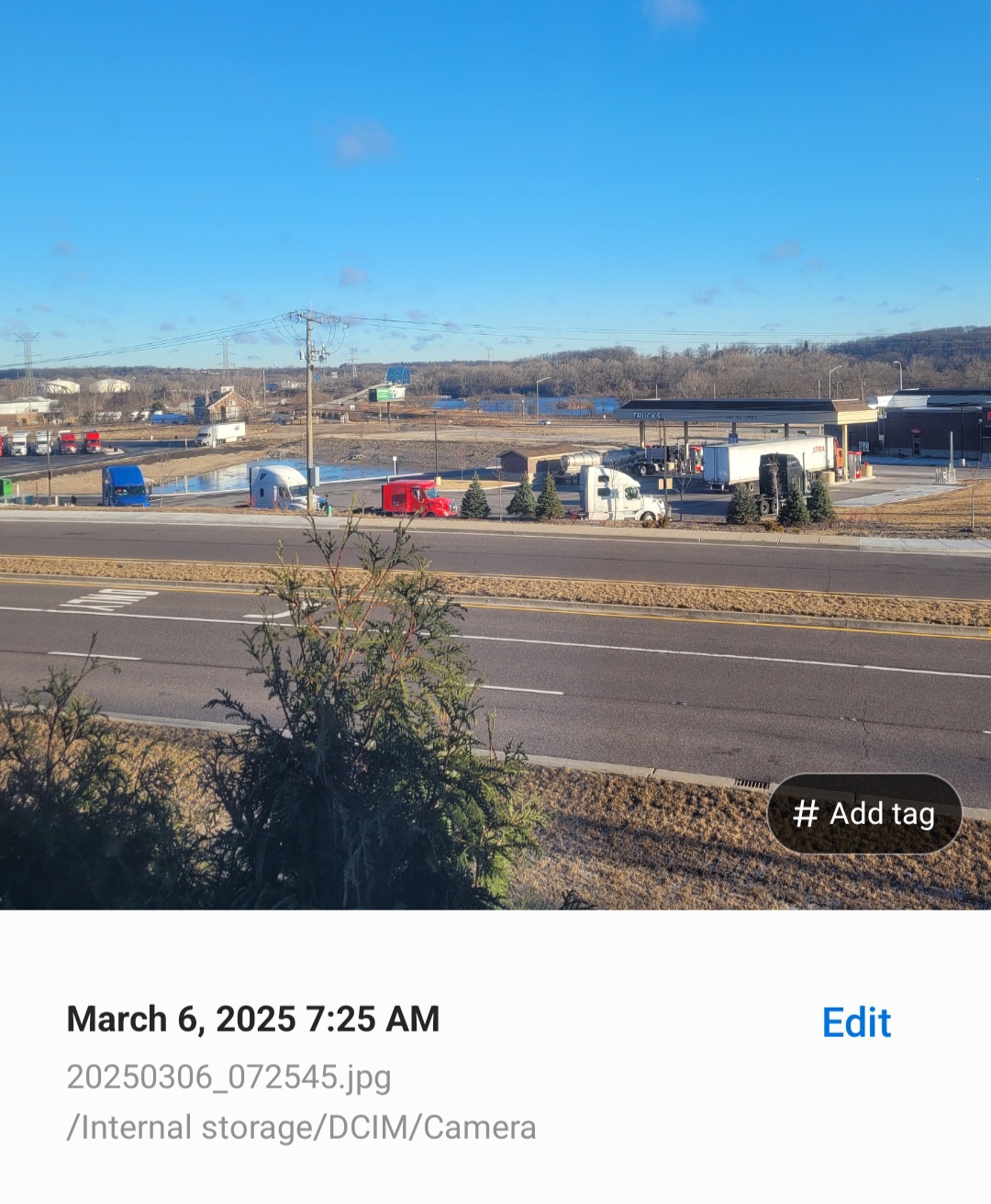
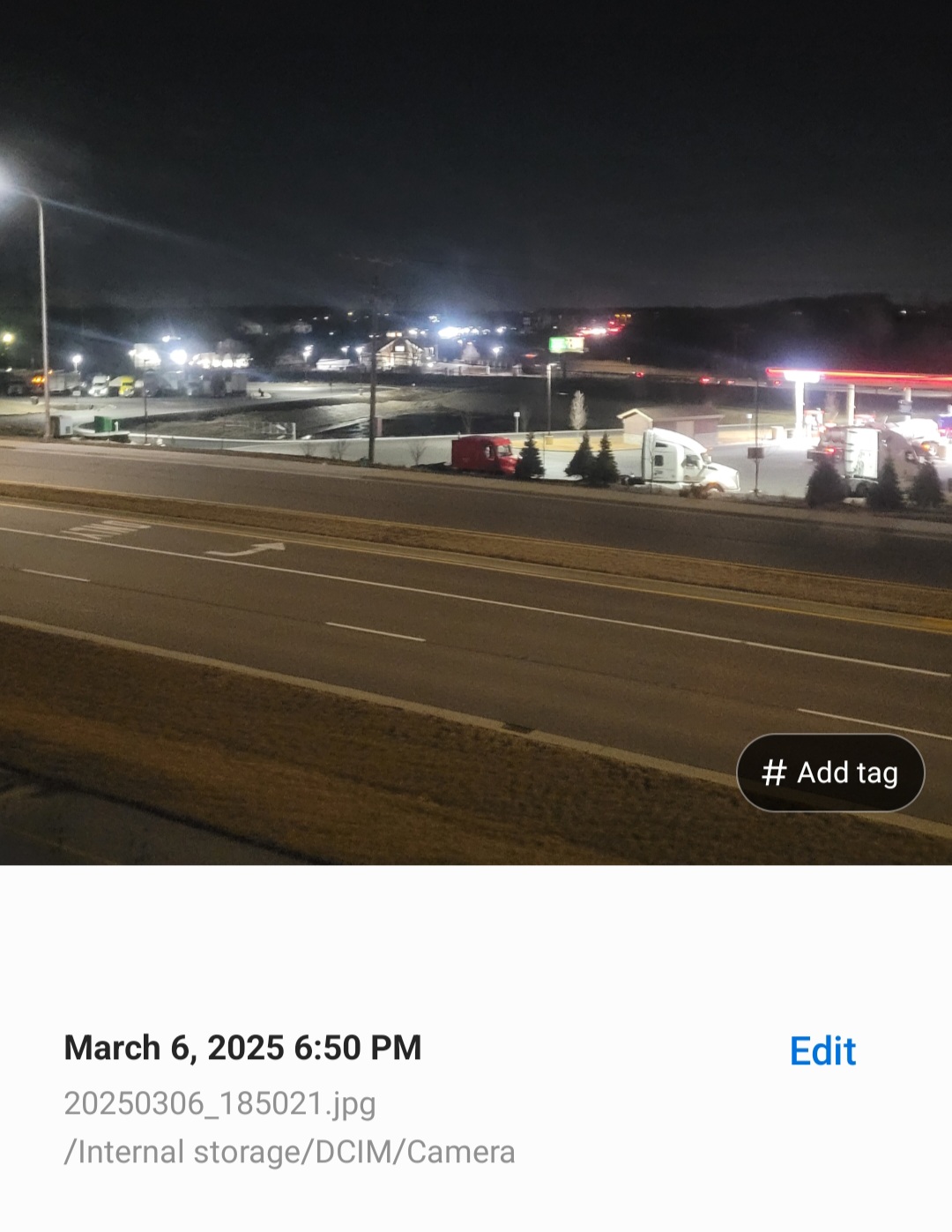
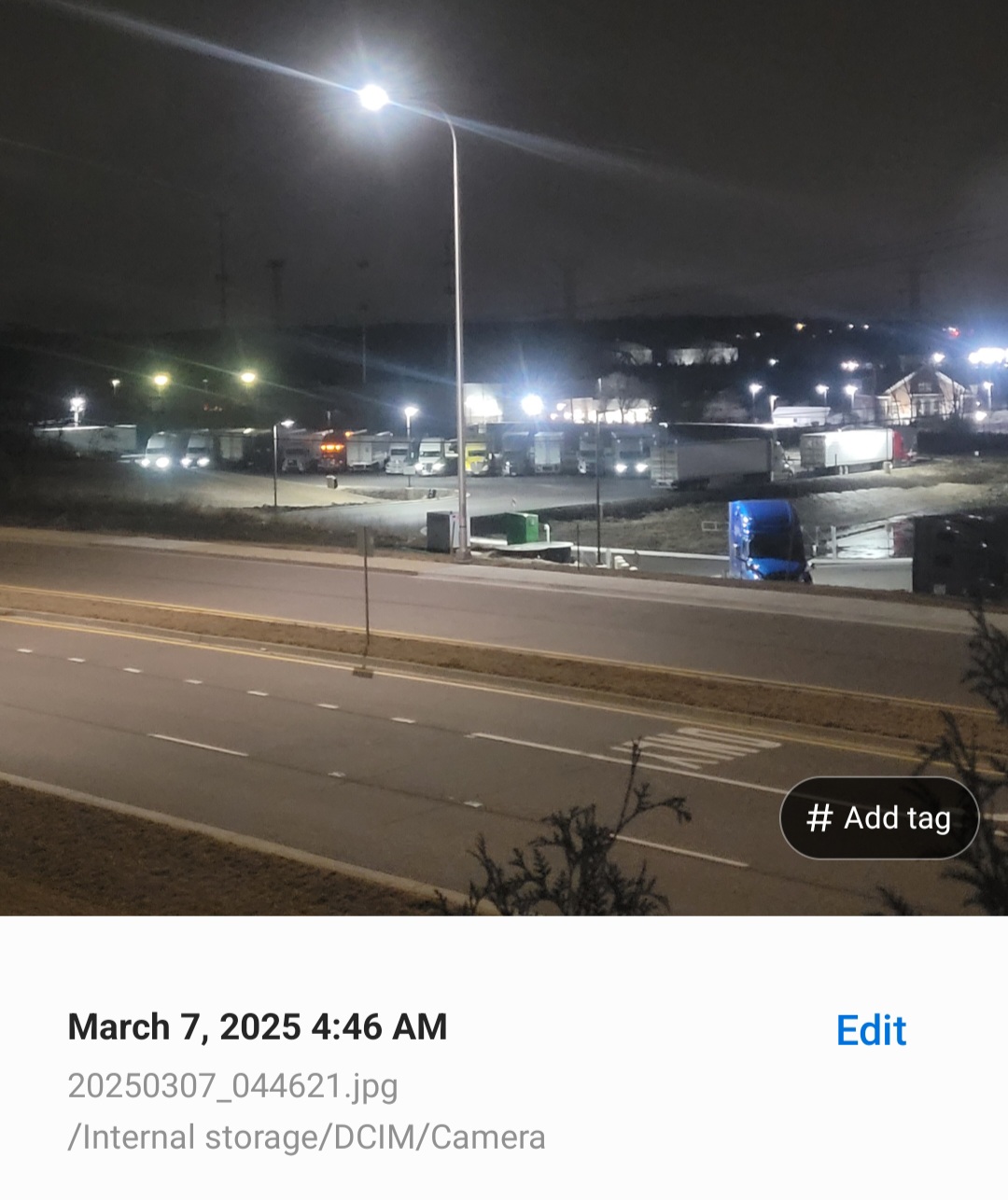
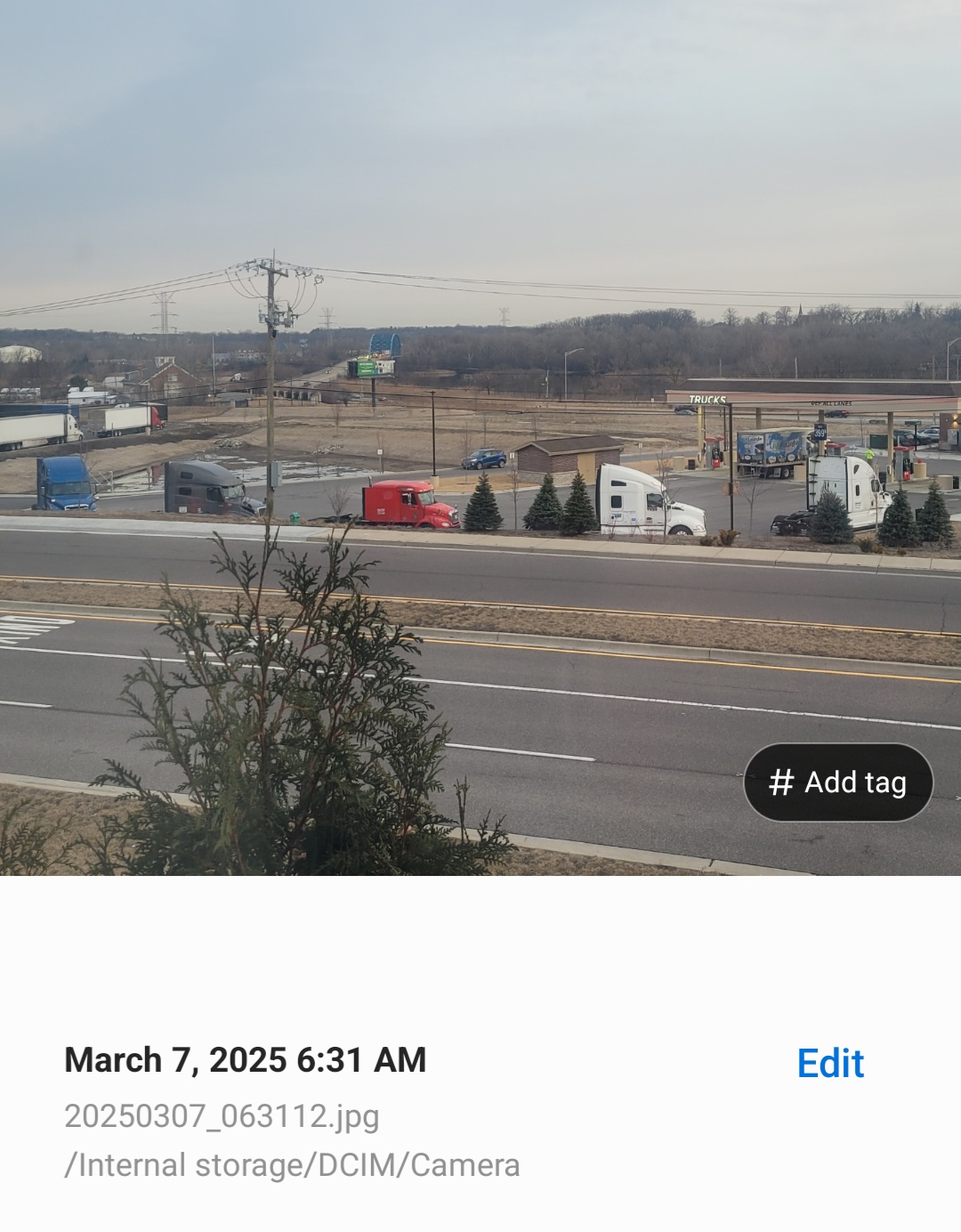
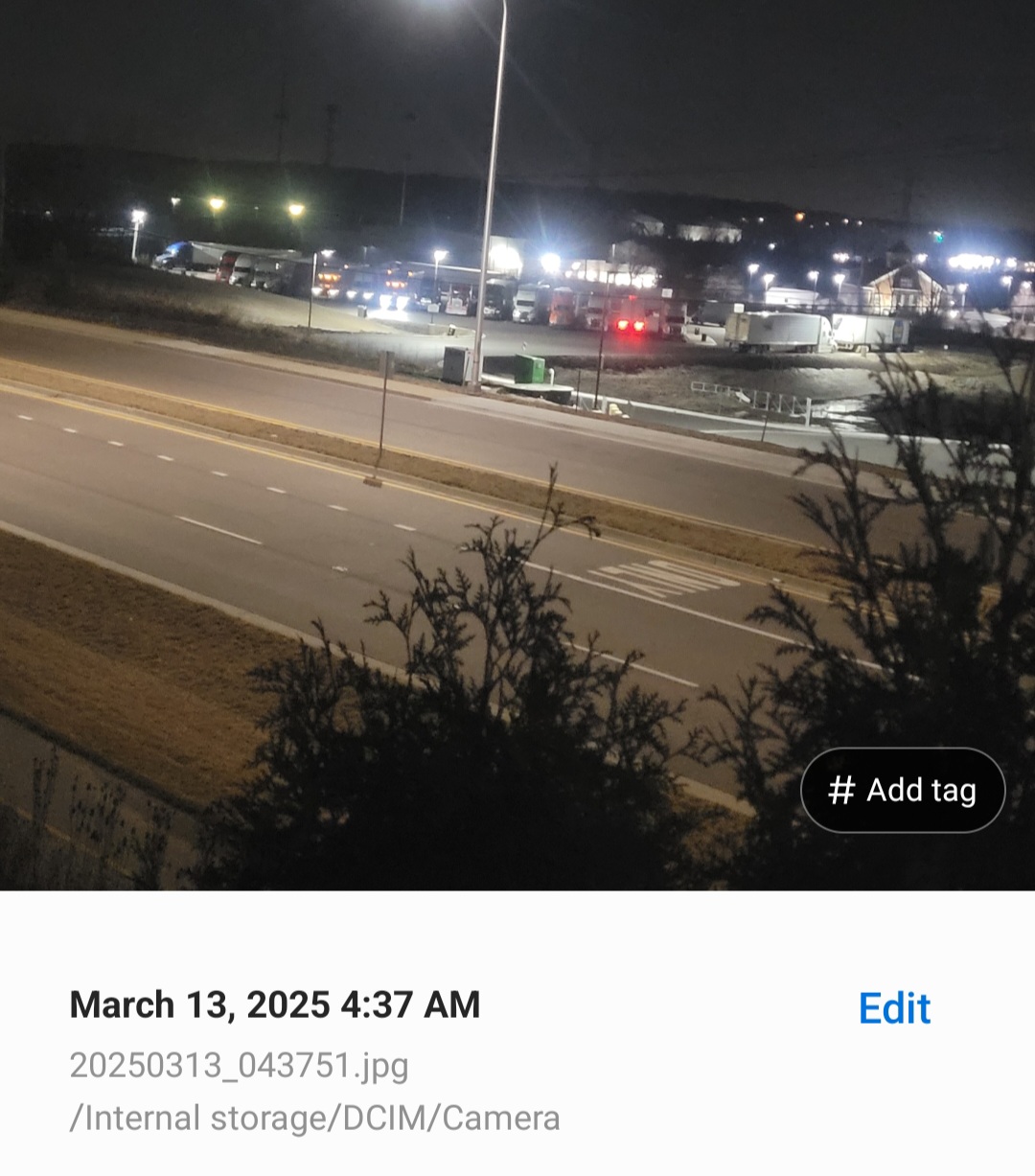
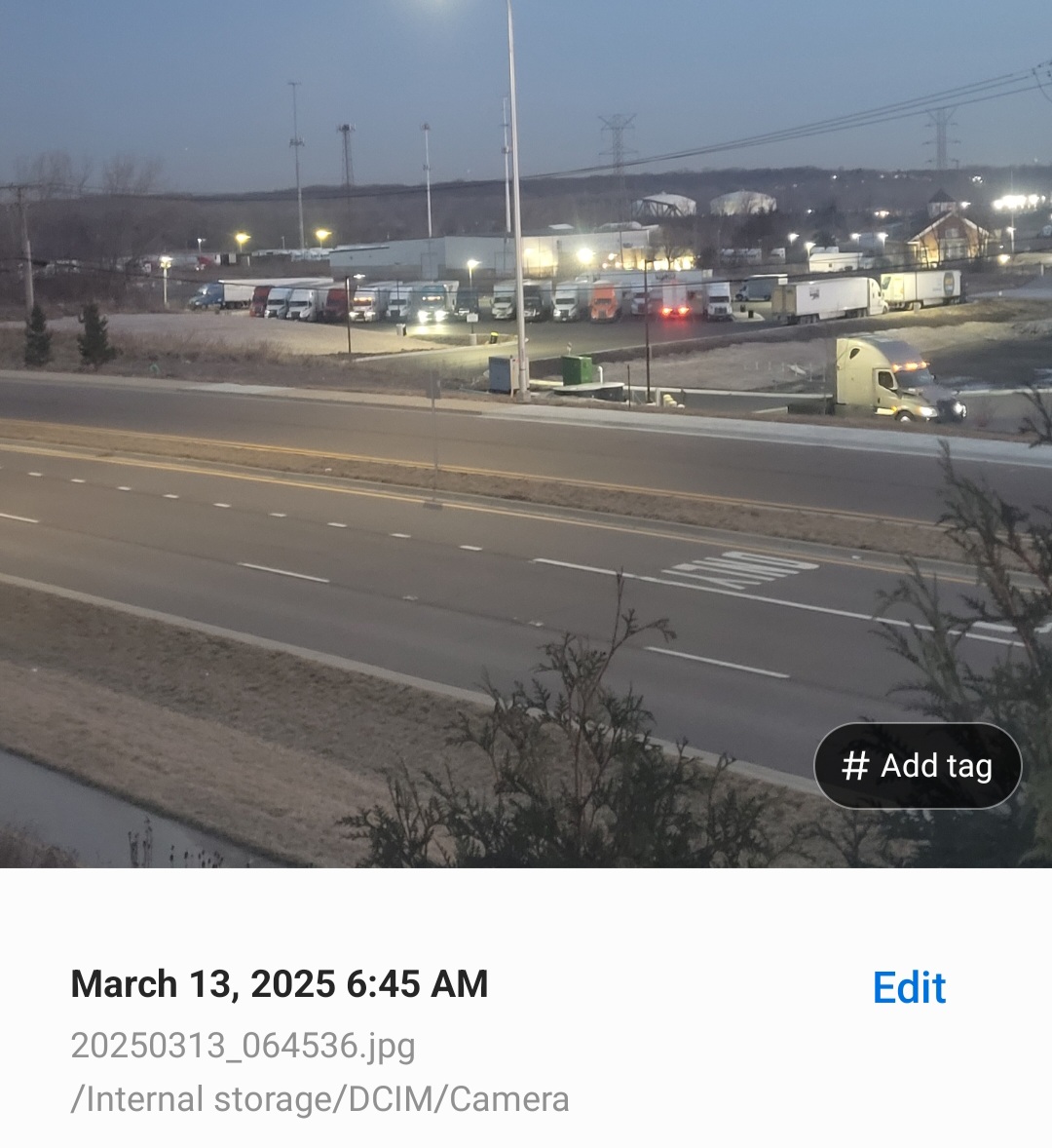
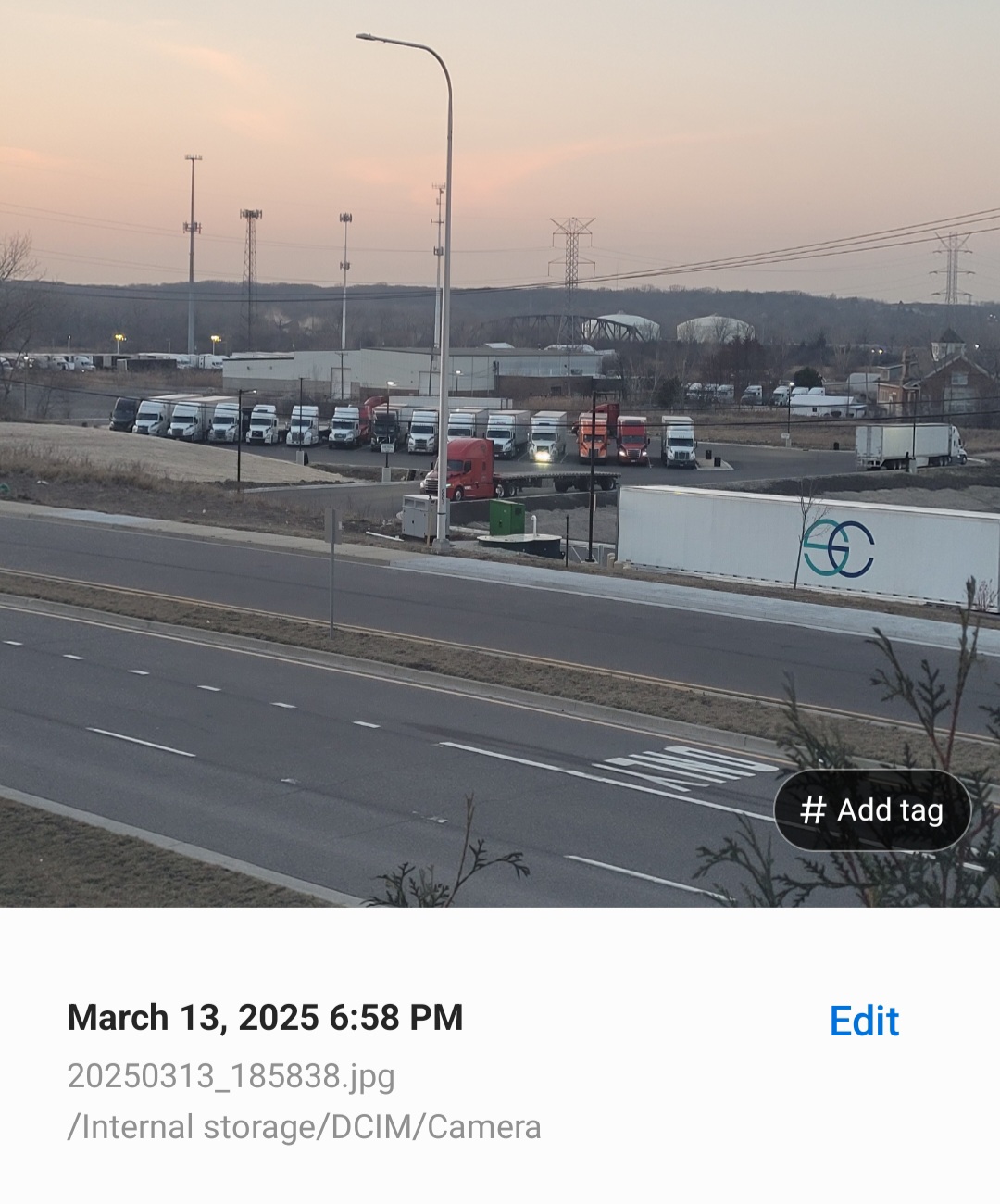
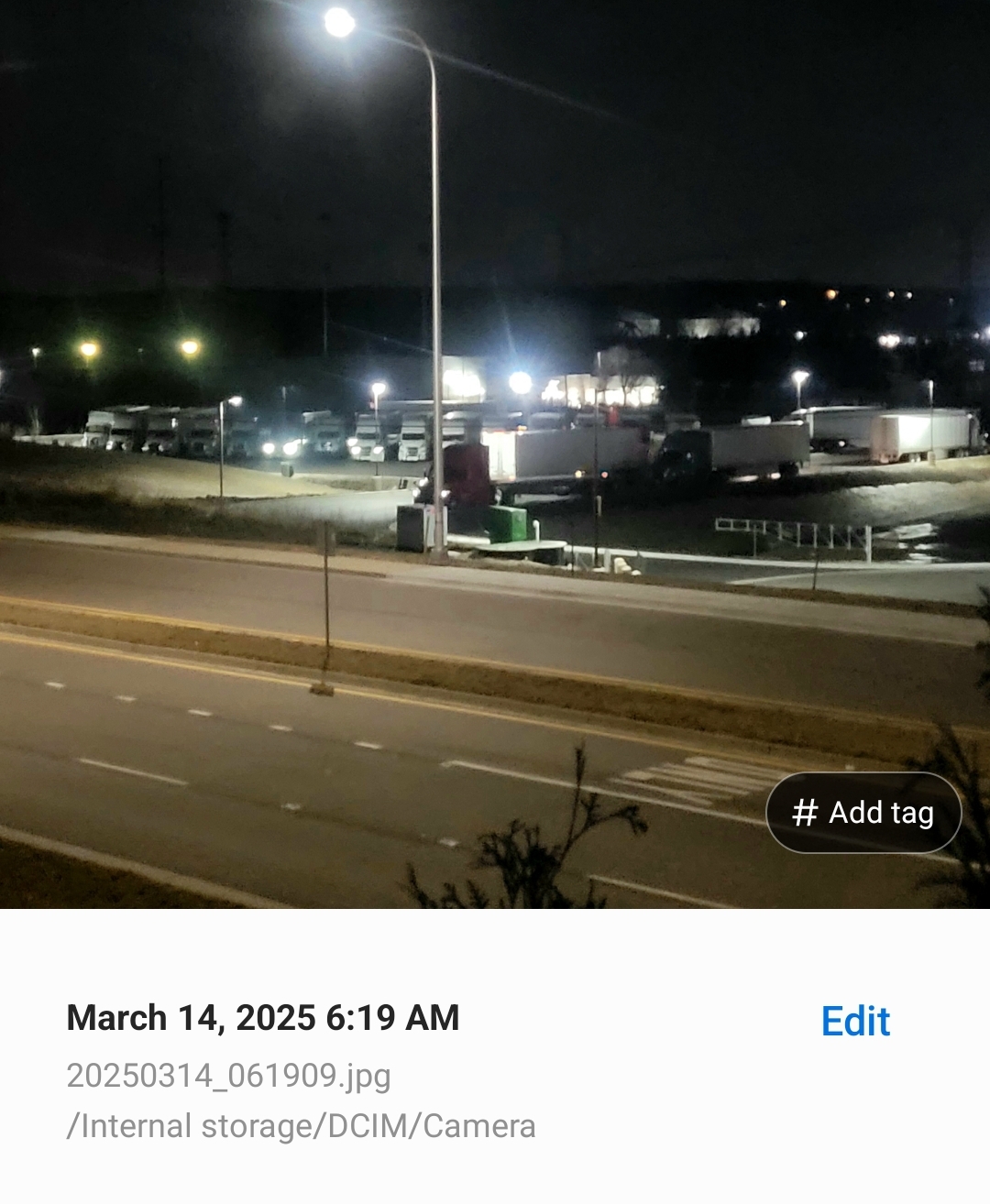
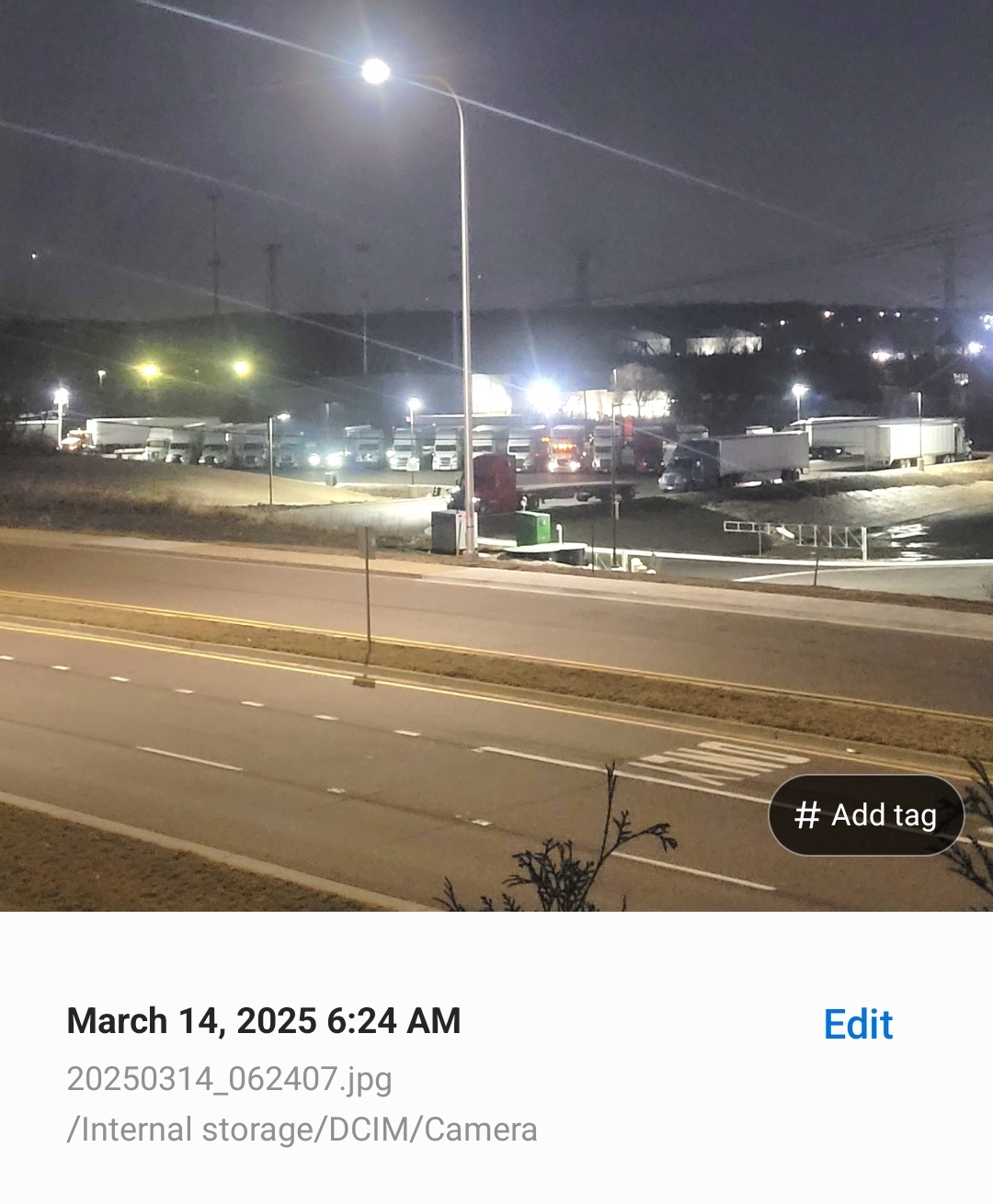
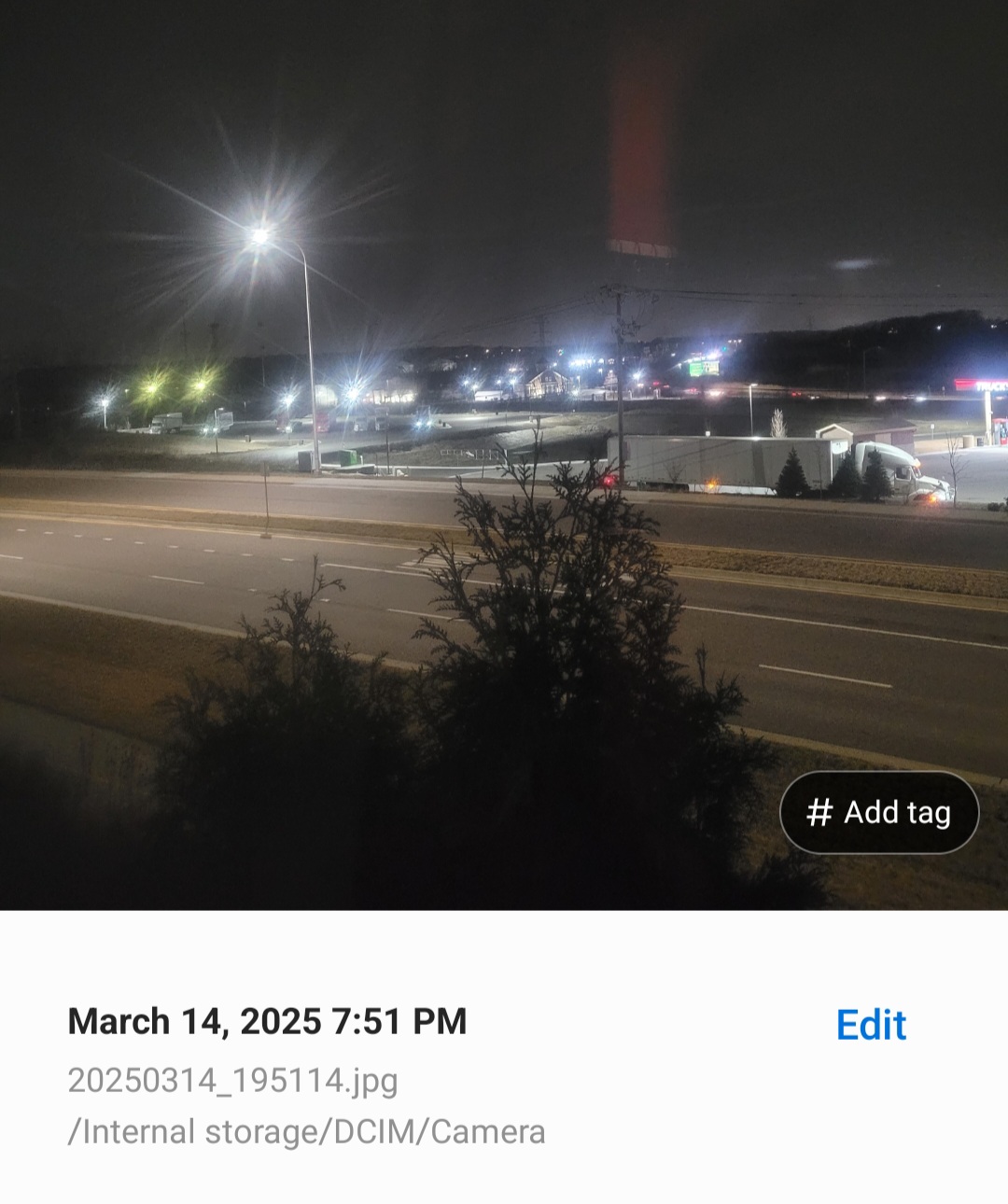
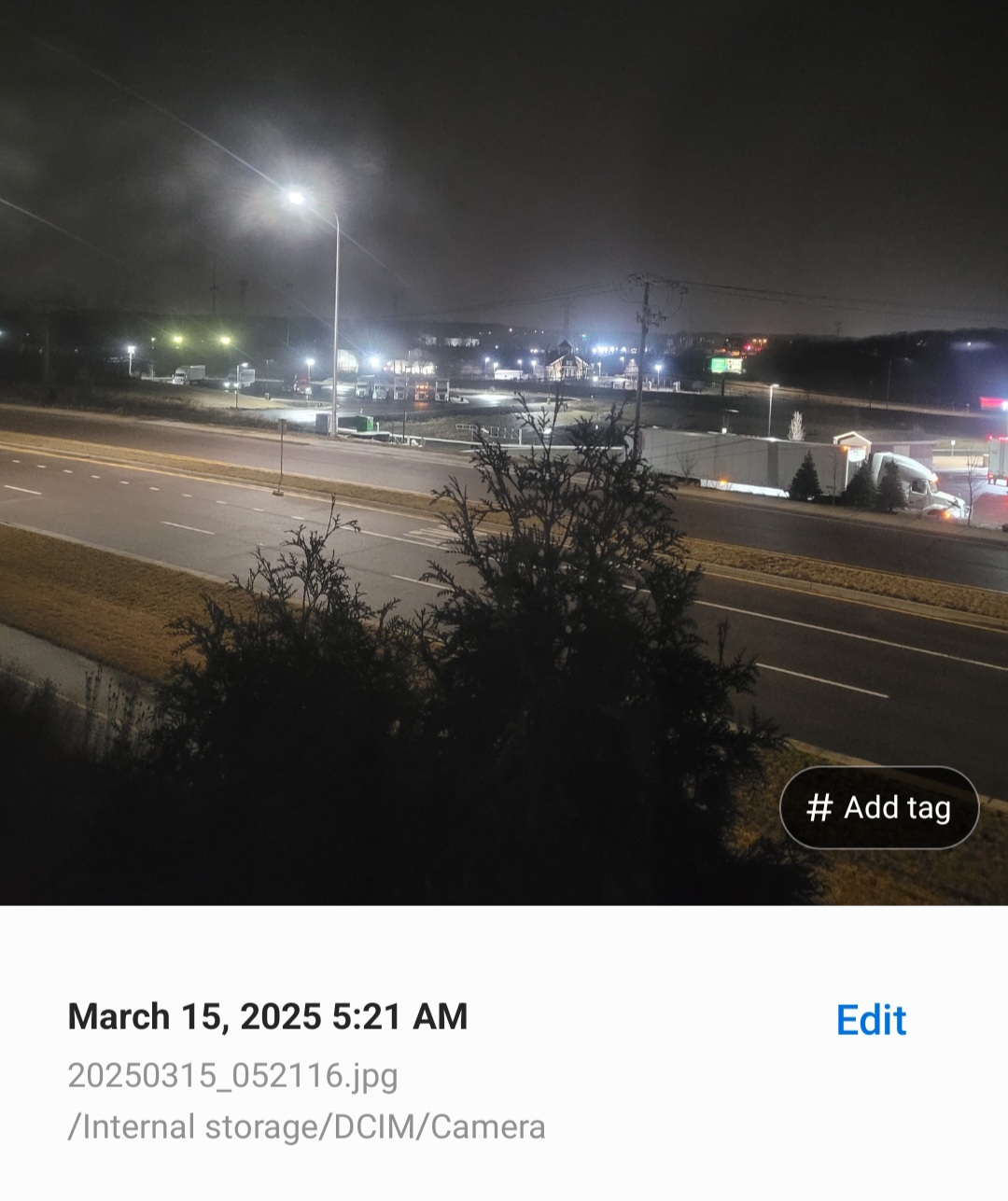
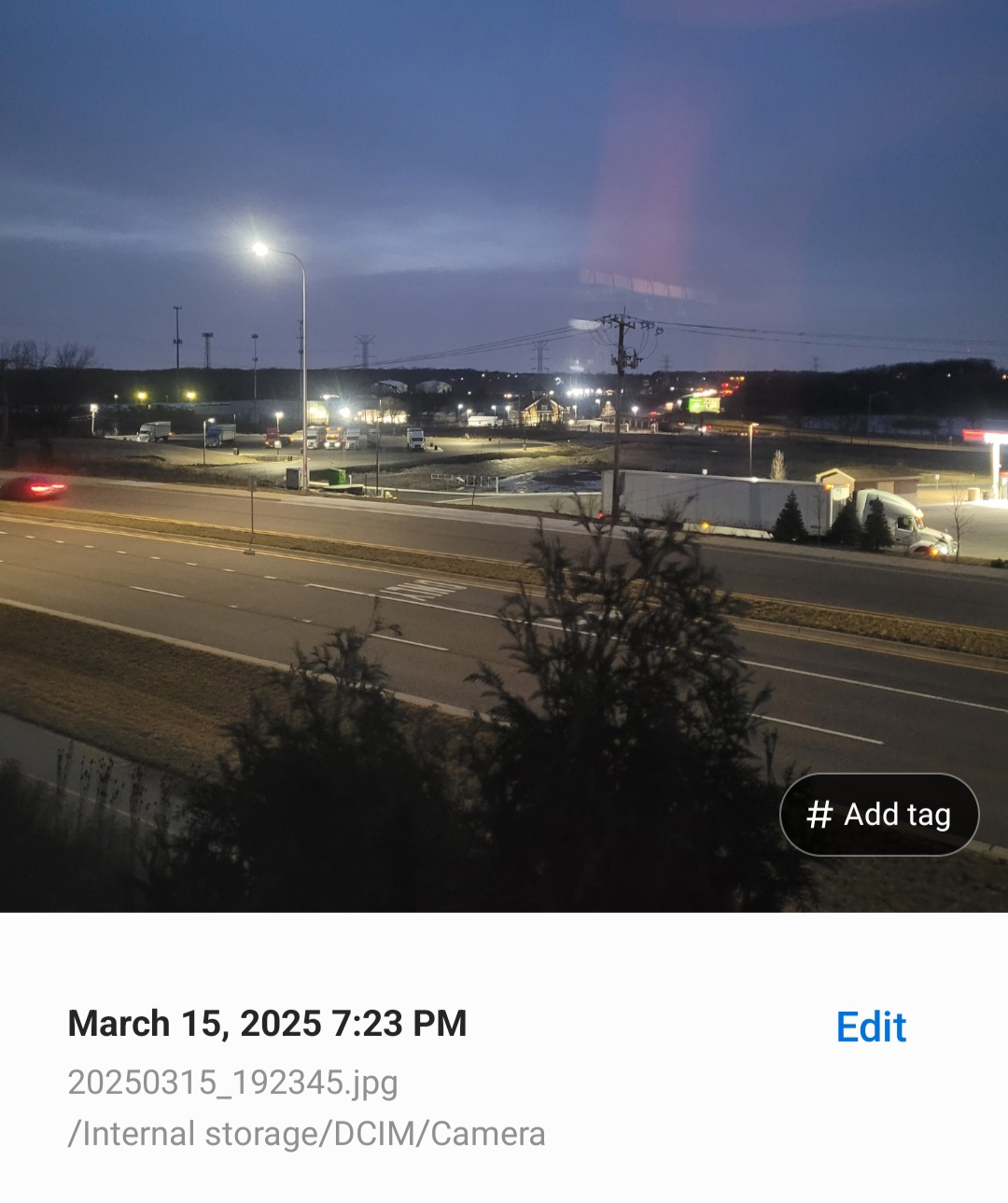
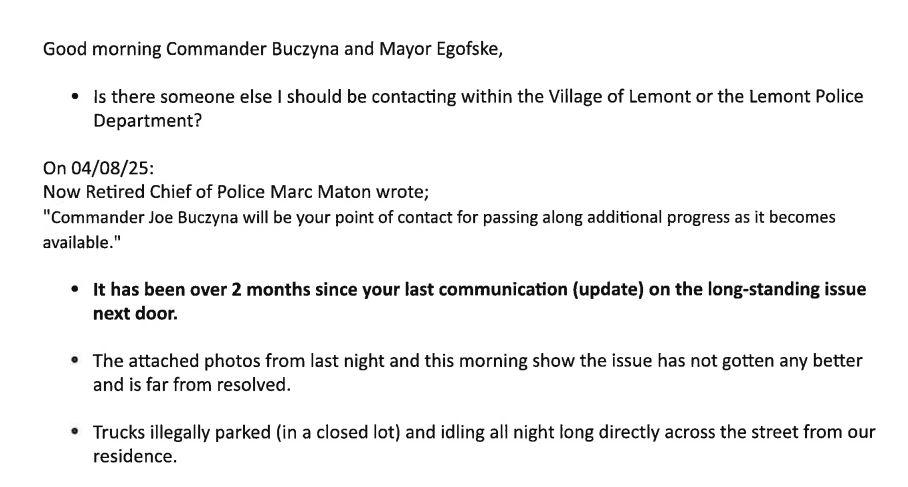
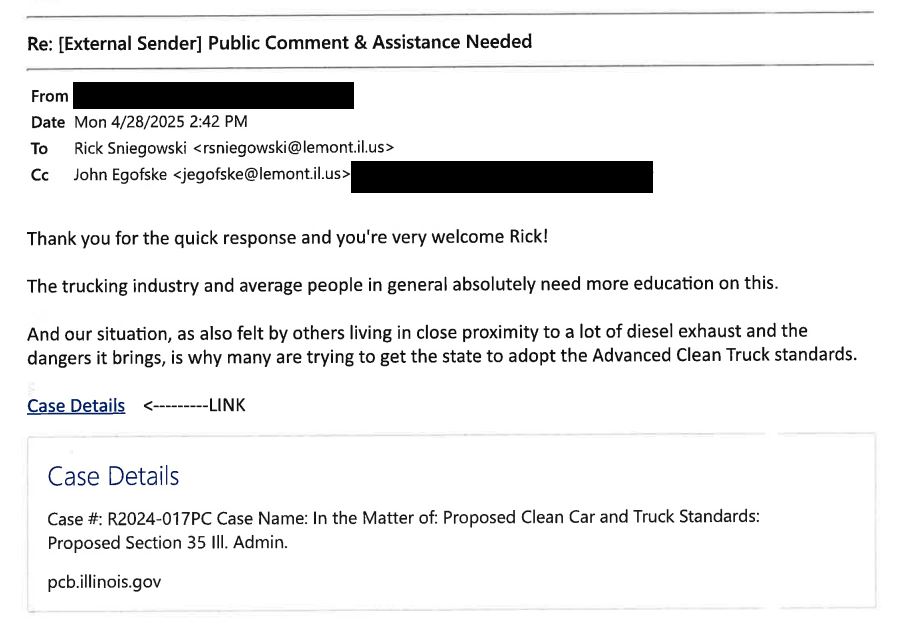
Community members have engaged in extensive email correspondence and outreach efforts regarding the illegal idling issues at the Route 83 Gas N Wash location. While many more communications exist, these showcase repeated attempts to address ongoing violations with local officials and enforcement agencies.
The outreach includes formal complaints, photographic evidence submissions, and requests for enforcement action. Despite clear violations of idling ordinances, responses have been limited and the problems persist still to this day.
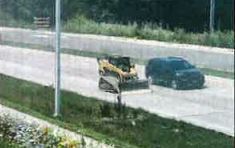
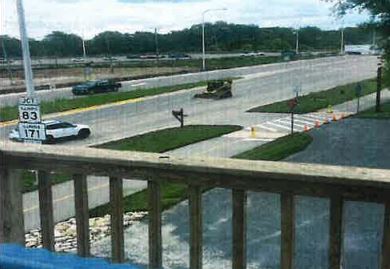
A FOIA document reveals that during the construction of the Gas N Wash facility on Route 83, a small dozer was observed driving down the active roadway. This dangerous practice posed significant safety risks to both motorists and construction workers.
The incident highlights concerning safety practices during the facility's construction phase and raises questions about oversight and enforcement of construction safety regulations. Such violations during construction may indicate a pattern of disregard for safety protocols that could continue during operational phases.
Obtained through: Freedom of Information Act (FOIA) request

Multiple PDF documents from Lemont Village Board meetings provide detailed discussions and documentation of ongoing problems with overnight parking and illegal idling at the Gas N Wash facility on Route 83. These official meeting records demonstrate the persistent nature of these violations and the challenges in enforcing existing ordinances.
The meeting documents include trustee discussions, resident complaints, enforcement action reports, and proposed solutions that have been attempted. The pattern of repeated discussions across multiple meetings underscores the difficulty in addressing these issues at the existing facility.
This documented history of compliance issues at the current Gas N Wash location is particularly relevant when considering approval of additional truck stop facilities in the area.
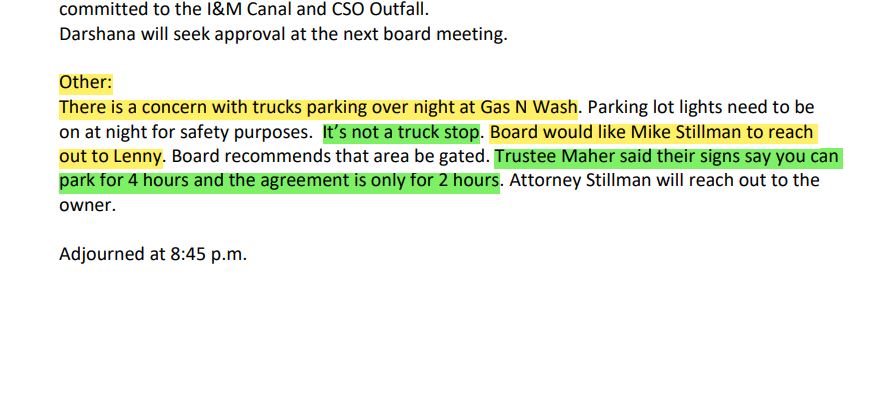
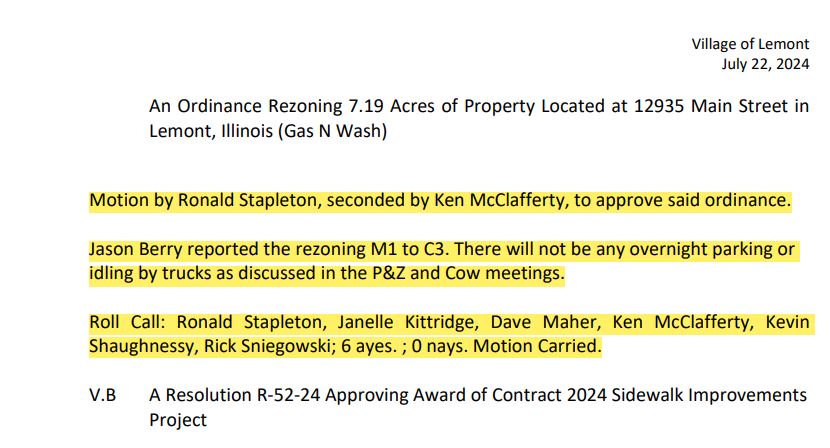
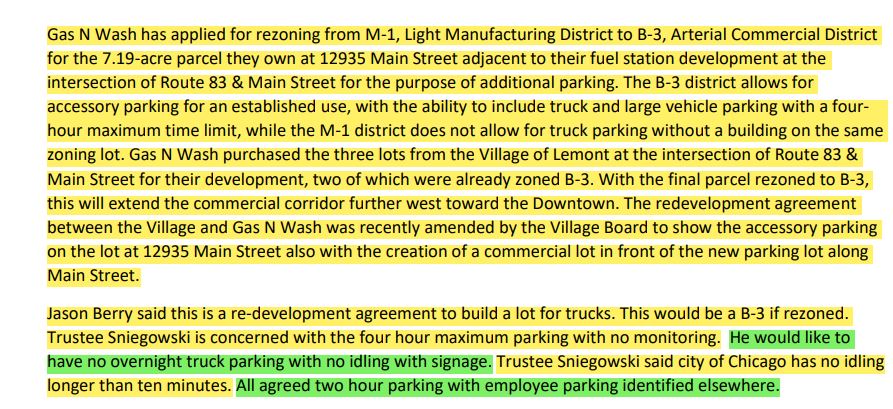
Previous Lemont Village Board meetings have included important discussions regarding the existing Route 83 Gas N Wash facility. These meetings revealed ongoing community concerns about operations, compliance issues, and the impact on residential areas.
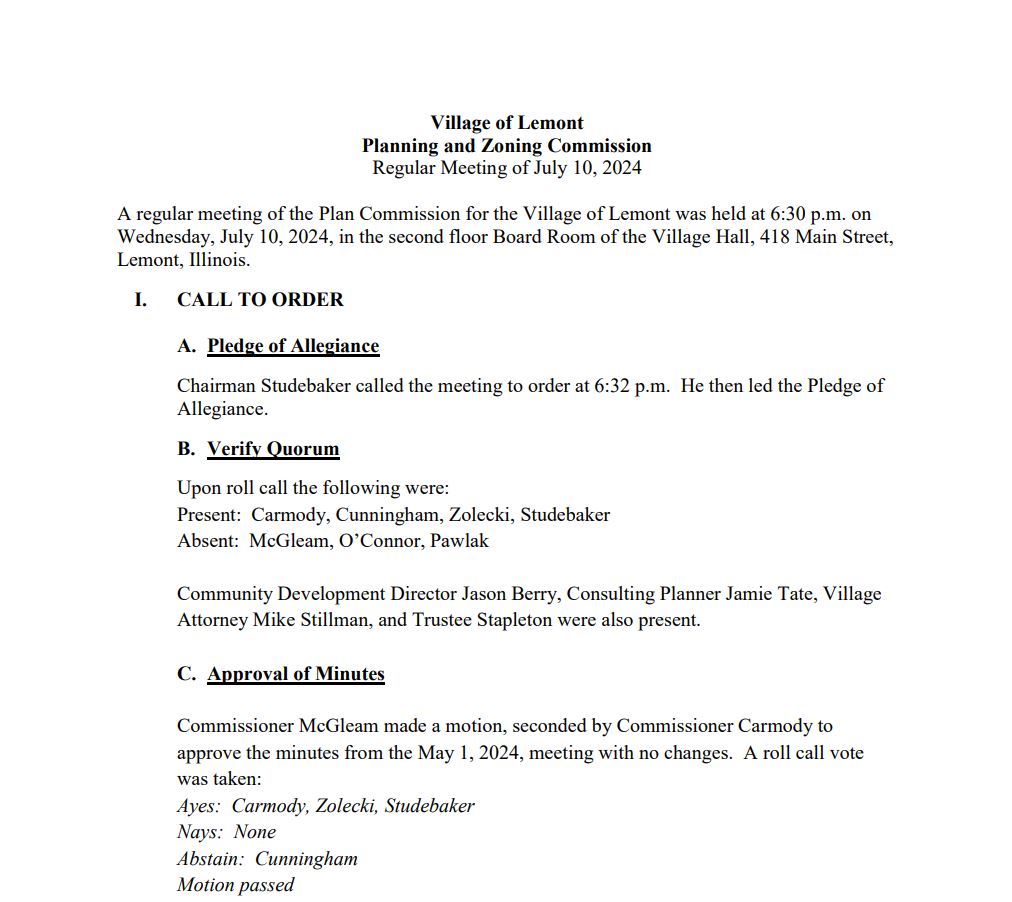
While the project has been framed as an economic opportunity, the track record from past hearings and public feedback shows a consistent pattern of risks tied to large-scale fuel stations. In past Planning and Zoning Commission meetings, Gas N Wash proposals were criticized for excessive signage requests, traffic complications at already busy intersections, and environmental concerns tied to stormwater, dust, and diesel emissions. Residents also voiced fears about groundwater safety, property value decline, and the compatibility of such developments with nearby homes.
The July 2024 hearings further revealed frustration with construction impacts such as dust, noise, and debris, along with the problem of idling diesel trucks near residential areas. Families living nearby rely on clean air, safe roads, and peace of mind, and any missteps could have lasting consequences.
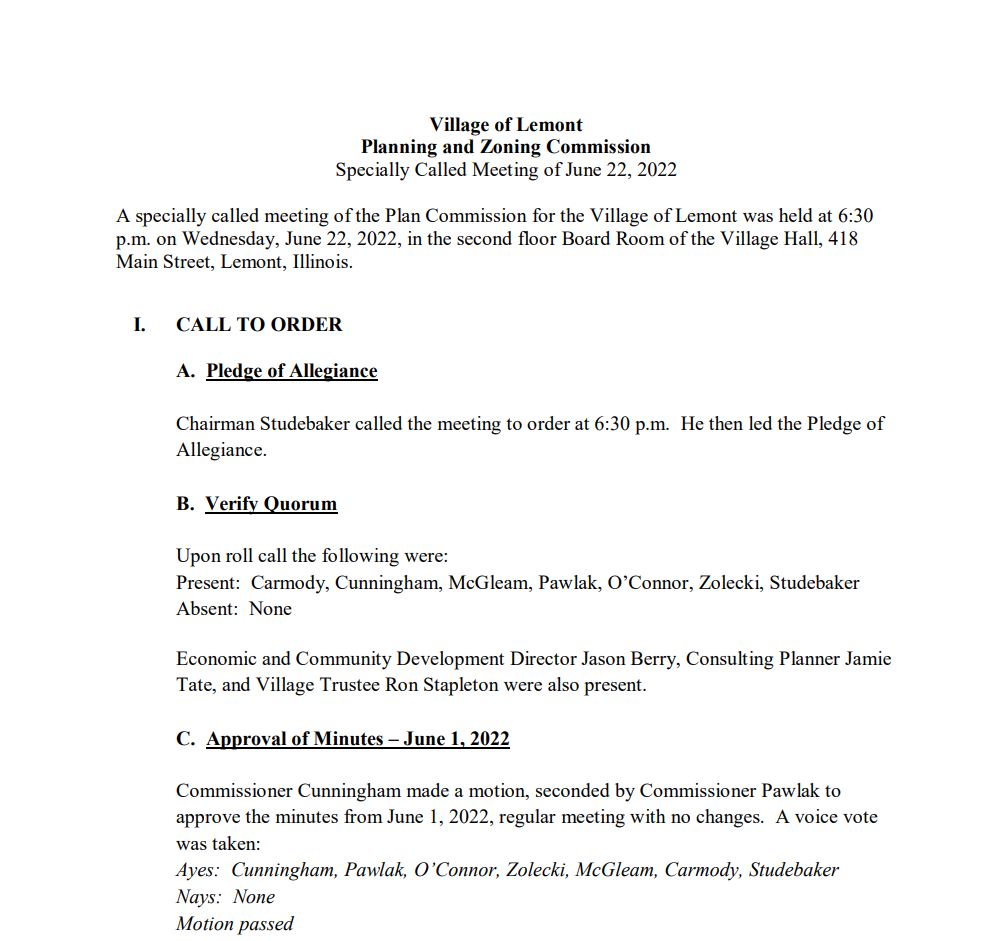
Watch the relevant Planning & Zoning Commission Meetings:
July 10, 2024 - Planning and Zoning Commission (Timestamp: 19:30)
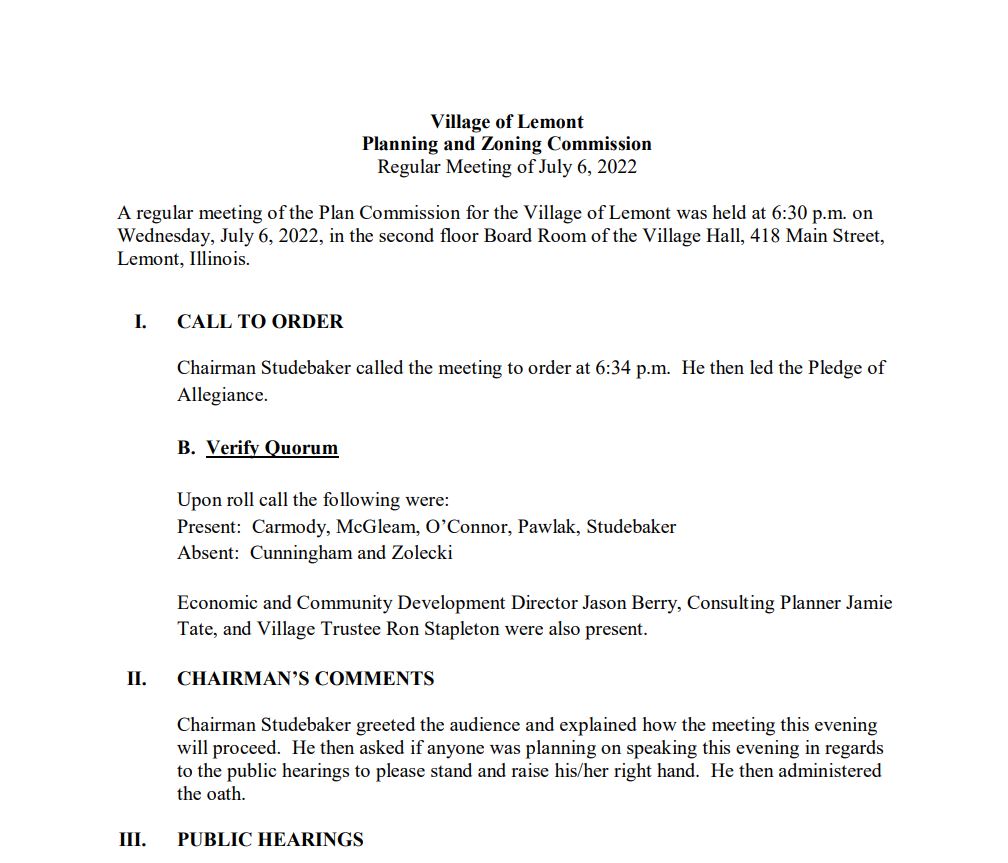
July 6, 2022 - Planning and Zoning Commission (Timestamp: 3:44:45)
June 22, 2022 - Planning and Zoning Commission (Timestamp: 1:51:40)
Benzene is a known carcinogen commonly found in diesel exhaust and fuel vapors at truck stops. The Collins Law Firm has produced educational content explaining the serious health risks associated with benzene exposure, particularly for residential communities near diesel truck facilities.
Watch this important video: The Collins Law Firm - Benzene Dangers
Long-term exposure to benzene, even at low levels, can lead to serious health issues including blood disorders and cancer. The concentration of diesel trucks at the proposed facility would significantly increase benzene exposure for nearby residents.

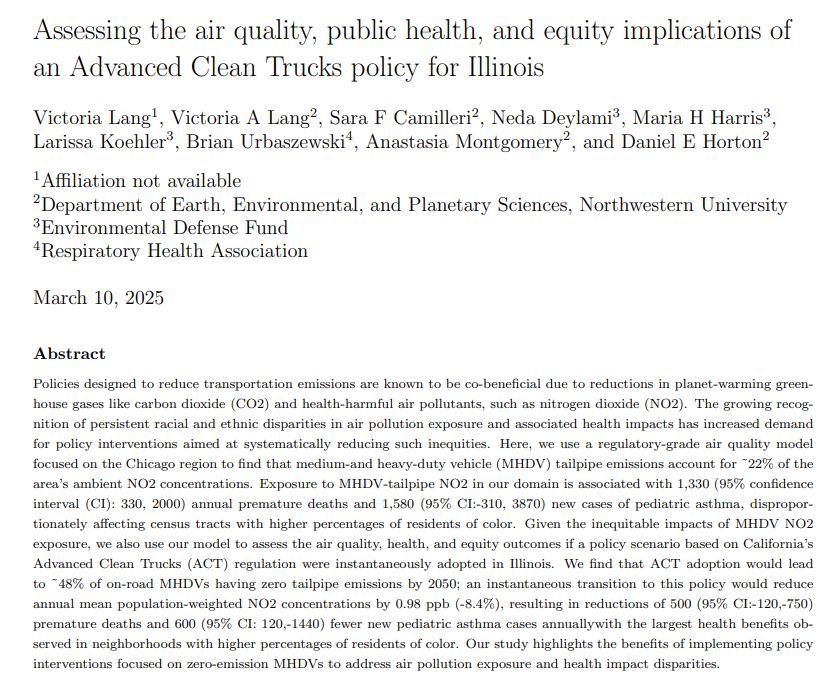
Northwestern University researchers have conducted comprehensive studies examining the health and air quality impacts of truck pollution on nearby communities. These peer-reviewed studies provide scientific evidence of the serious risks posed by concentrations of diesel truck traffic.
The research demonstrates measurable increases in respiratory problems, cardiovascular disease, and reduced air quality in areas exposed to high volumes of truck traffic. Children and elderly residents face particularly elevated risks.
These studies are directly applicable to our community's concerns about the proposed truck stop development and its potential health impacts on nearby residential areas.
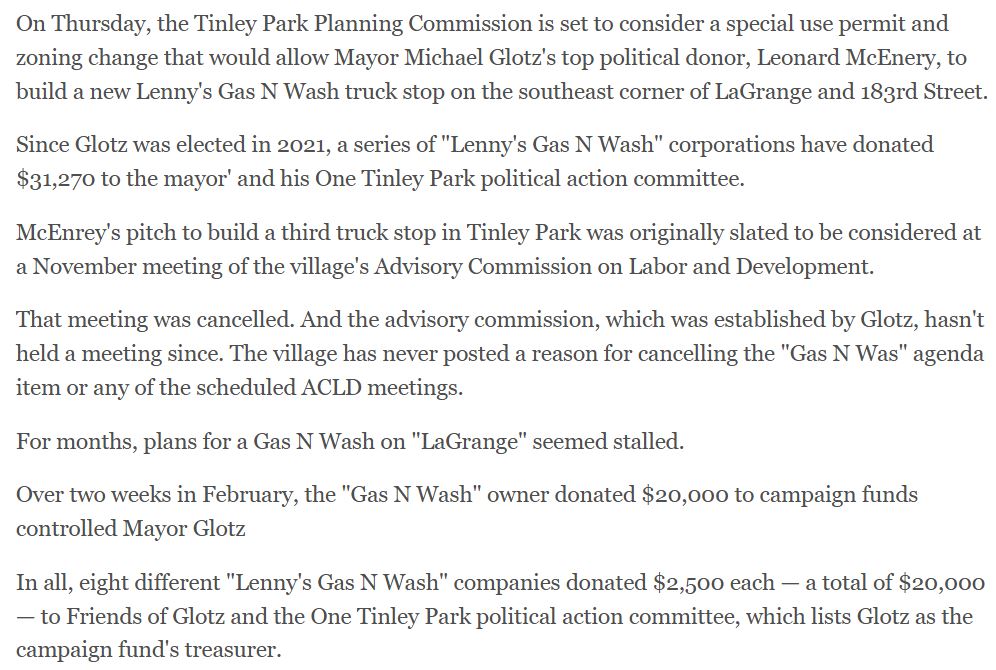
Investigative reporting has revealed concerning connections between current Tinley Park Mayor Michael Glotz and Lenny's Gas N Wash, which is seeking a third truck stop location. According to South Cook News, Mayor Glotz has received substantial political donations from the business and has actively advocated for their expansion plans.
Read the full article: South Cook News - Mayor Glotz and Lenny's Gas N Wash
Watch the video: Video: Mayor Glotz Advocacy for Gas N Wash
These political and financial relationships raise important questions about the decision-making process surrounding truck stop approvals and the influence of special interests on community development decisions.
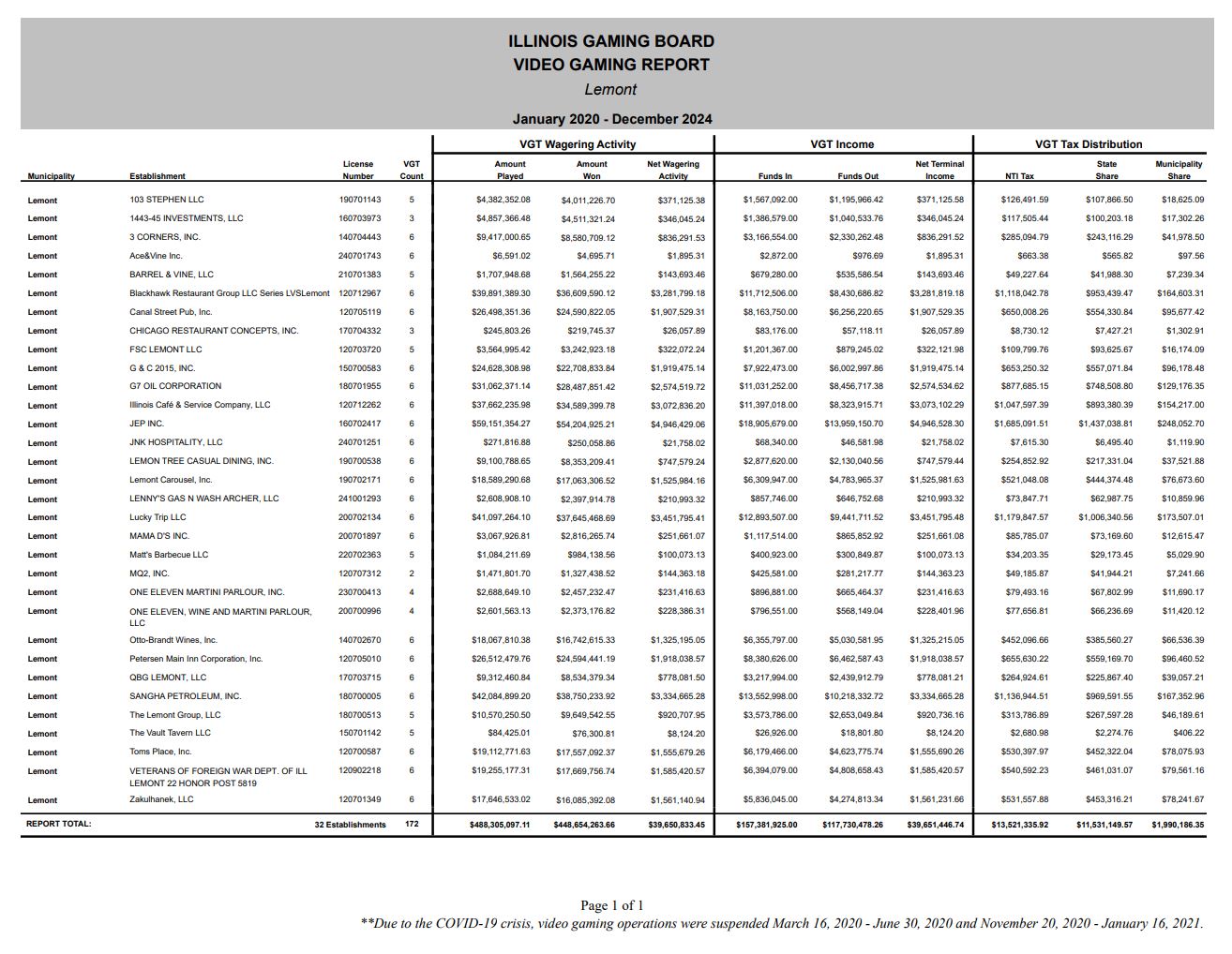
2020–2024 Report: This document shows Lemont's full video gaming revenue data across multiple establishments over several years. Despite COVID-19 shutdown periods in 2020, total wagering exceeded $488 million, with net terminal income (NTI) of about $39.6 million. The state collected around $13.5 million, while Lemont itself received just under $2 million in municipal share.
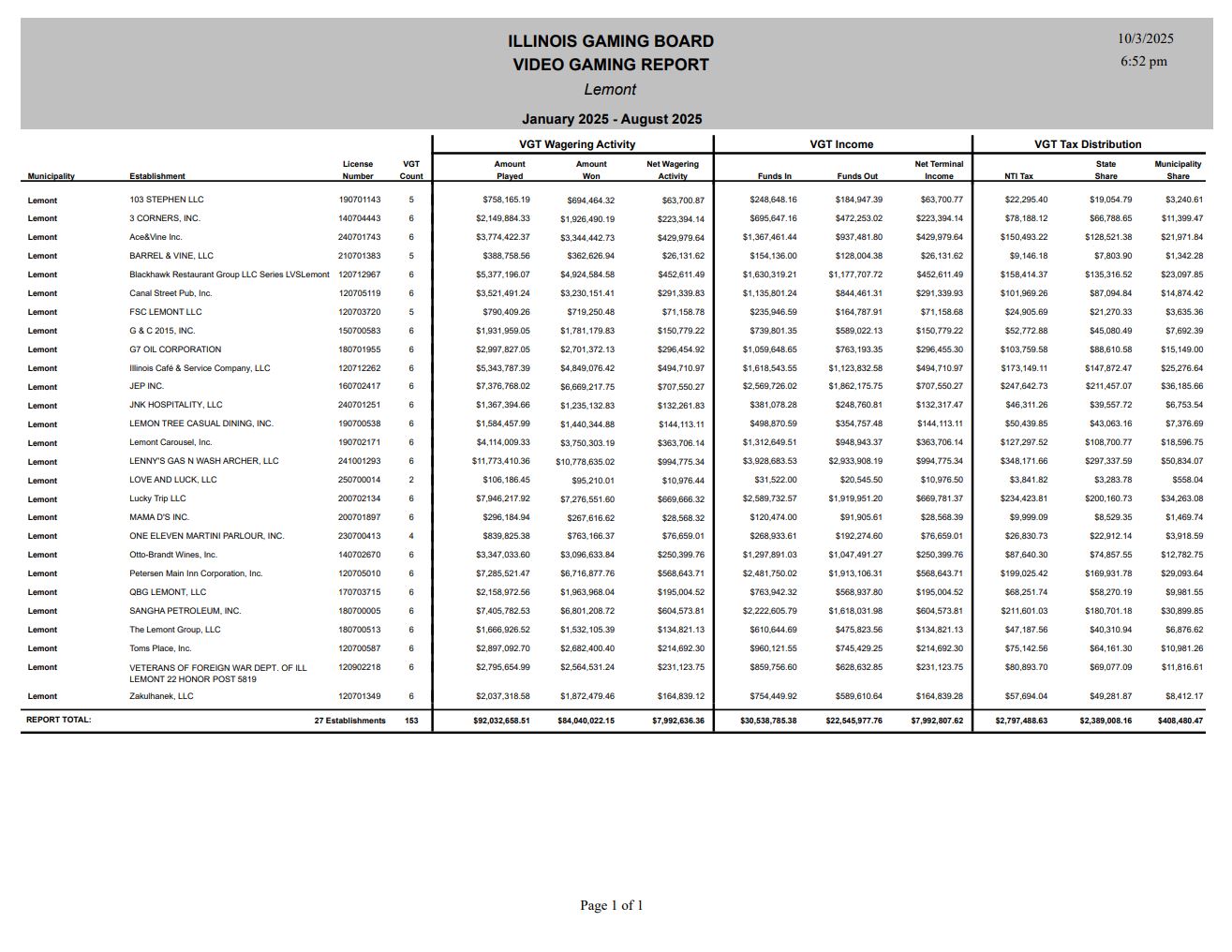
YTD August 2025 Report: Covering January through August 2025, Lemont's video gaming generated about $92 million in wagers, with net terminal income (NTI) of roughly $8 million. From this, the state collected nearly $2.8 million and Lemont received around $408,000 in municipal share.
This shows 2025 is on pace to match or slightly exceed the average annual levels from the prior period, indicating steady or modestly rising gaming revenue.
Source: Illinois Gaming Board
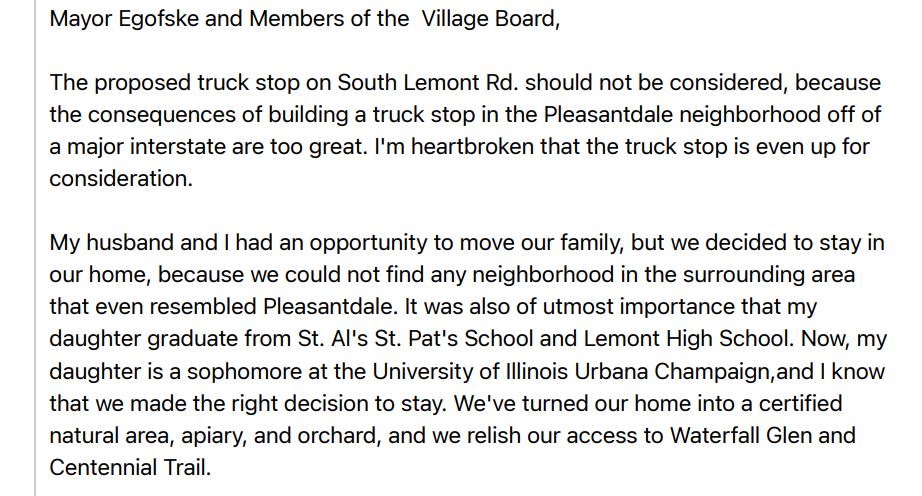
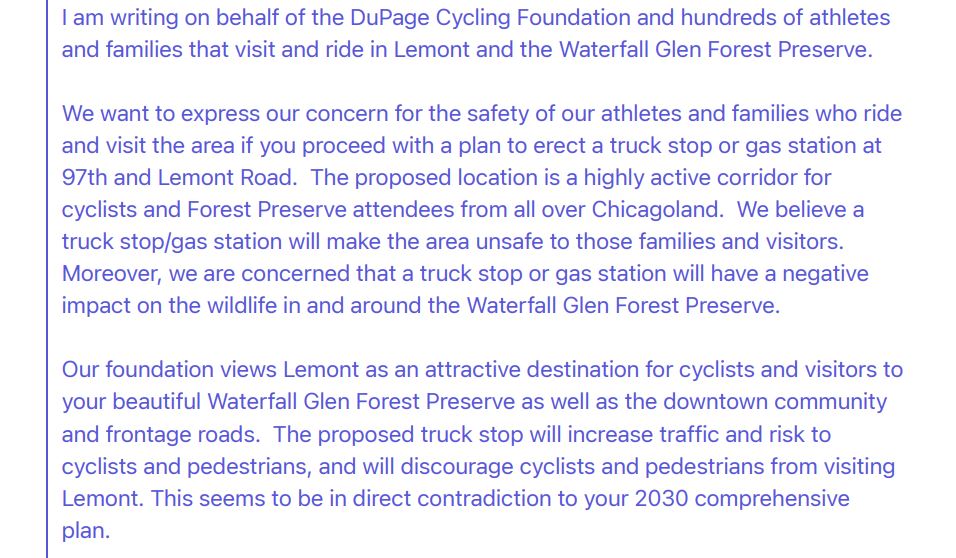
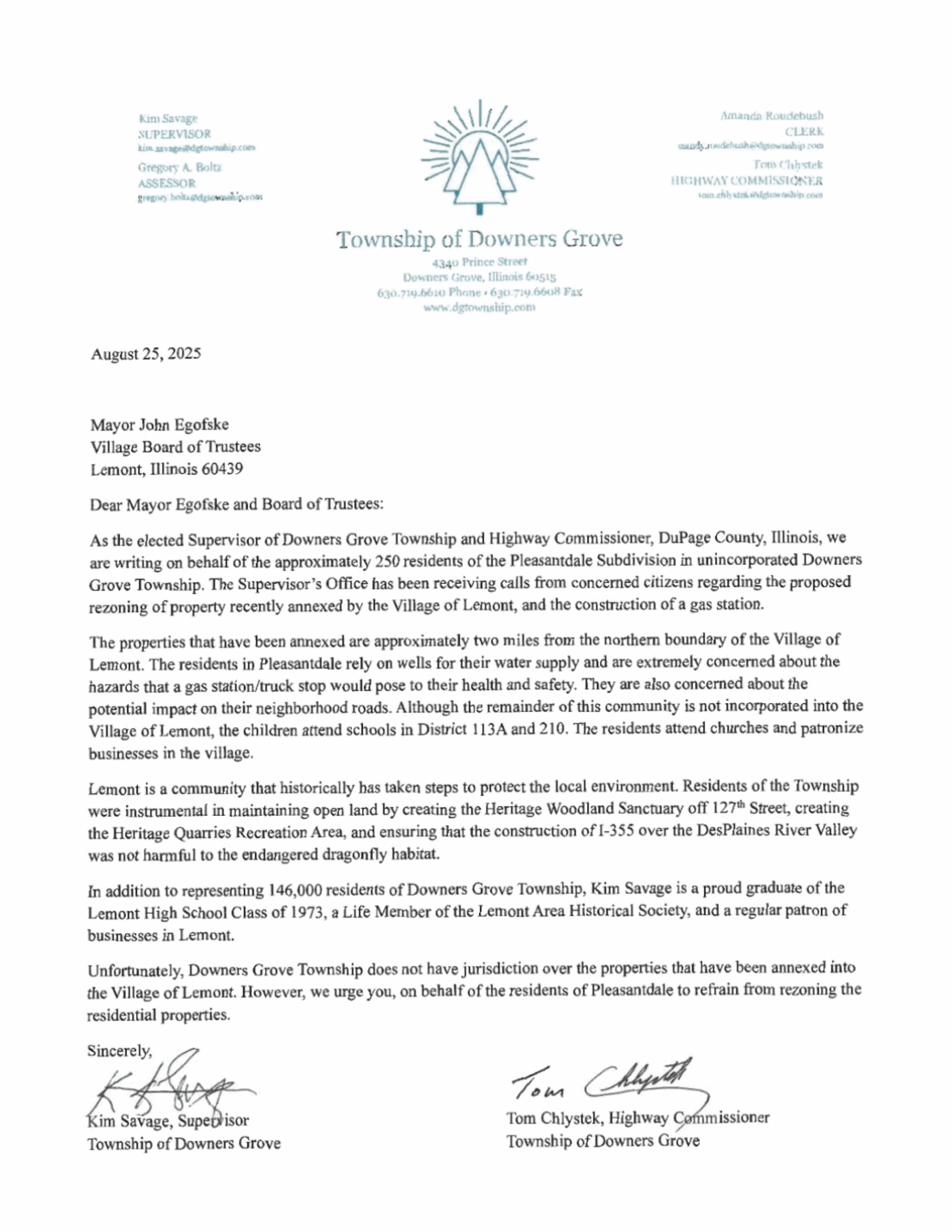
Pleasantdale residents and supporters have taken the time to voice their deep concerns about the proposed Gas N Wash development through formal letters to the Lemont Village Board and Mayor. These letters represent the collective voice of our community including families, long-time residents, and neighbors who are united in opposition to this project. The common themes throughout these letters include concerns about increased traffic congestion on residential streets, safety risks to children and families, environmental impact from potential fuel spills and air quality degradation, and the fundamental incompatibility of a 24-hour commercial gas station with our quiet, residential neighborhood character. We will continue to add more letters like these as we receive them.

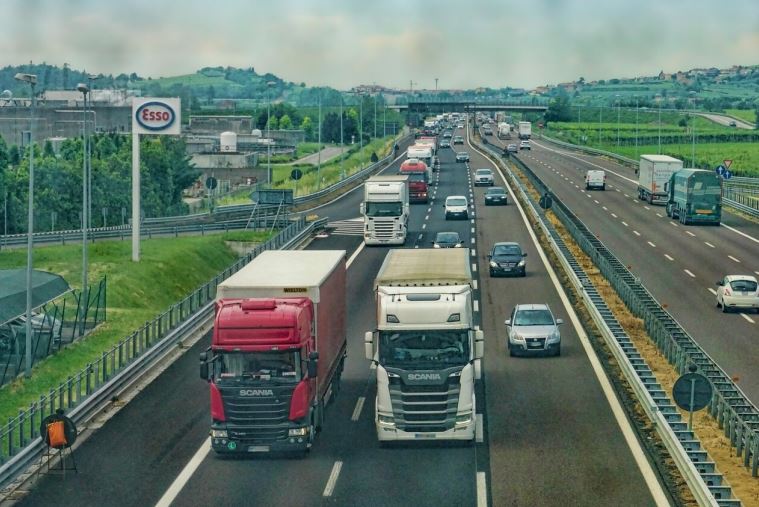
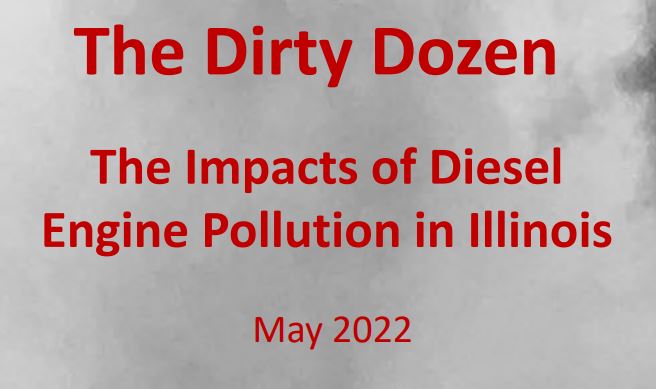
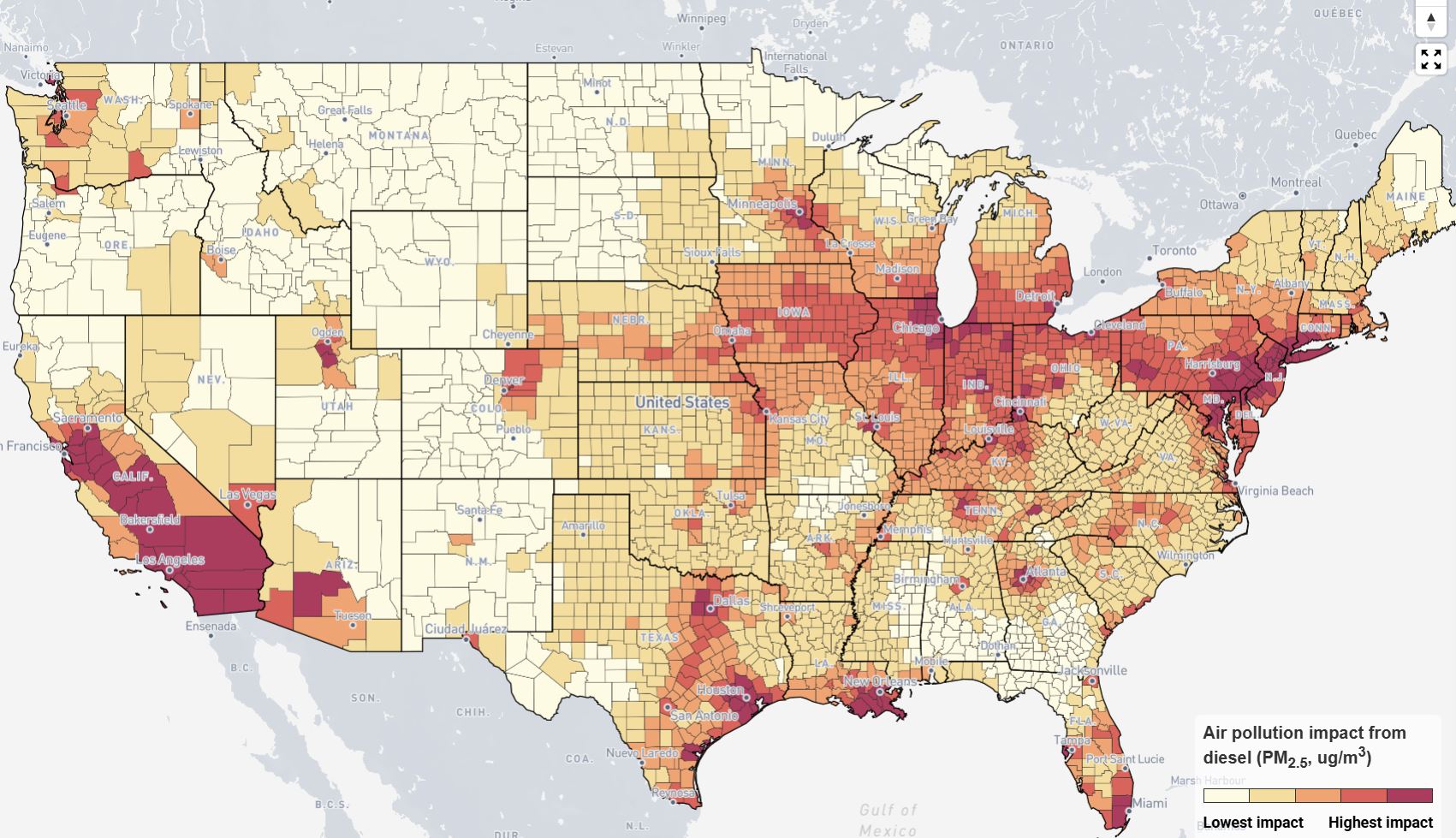
Diesel truck emissions pose severe health risks to communities across Illinois, particularly those near high-traffic areas, gas stations, and commercial facilities. Diesel exhaust contains fine particulate matter (PM2.5) and nitrogen oxides (NOx) that penetrate deep into the lungs and even enter the bloodstream, causing respiratory and cardiovascular diseases including asthma, lung cancer, heart attacks, and strokes. According to the Clean Air Task Force's Deaths by Diesel database, diesel pollution is projected to cause over 8,400 premature deaths annually across the United States by 2026, with associated health costs exceeding $93 billion per year. In Illinois specifically, diesel engines will lead to more than 5,000 asthma attacks, nearly 200 heart attacks, and 416 premature deaths in 2023 alone, with 12 of Illinois' 102 counties ranking in the top 9 percent of all U.S. counties at highest risk from diesel pollution impacts.
The burden of vehicle-related air pollution in Illinois is both massive and inequitable. Despite making up only 7% of on-road vehicles, trucks are responsible for 67% of nitrogen oxide pollution, 59% of fine particulate pollution, and 36% of greenhouse gas emissions from vehicles in Illinois. Research from the Union of Concerned Scientists reveals that communities of color bear a disproportionate burden, with Asian Americans, African Americans, and Latinos exposed to PM2.5 pollution 32%, 21%, and 19% higher than the state average, respectively. Cook County, which includes Chicago, ranks as the 8th worst county in the nation for exposure to vehicle pollution, with levels 90% higher than the U.S. average. A Northwestern University study found that electrifying just 30% of vehicles in the Chicago region would save more than 1,000 lives and over $10 billion annually, with the greatest benefits accruing to predominantly Black, Hispanic, and Latinx neighborhoods that have historically suffered from poor air quality.
Truck idling compounds these dangers significantly. According to Argonne National Laboratory's research, long-haul trucks typically idle 6 hours per day (1,830 hours per year) to heat and cool cabs, power equipment, and provide driver comfort. Collectively, U.S. vehicles consume more than 6 billion gallons of diesel fuel and gasoline each year just from idling, without moving an inch. This idling generates continuous emissions of particulates, nitrogen oxides, carbon monoxide, and carbon dioxide directly into the surrounding air. In Chicago's Little Village neighborhood, community researchers documented an average of 1.5 heavy-duty vehicles per minute (2,206 trucks and buses in a single day) rumbling through residential intersections near parks and schools. This constant exposure to diesel exhaust has devastating health consequences for families living, working, and raising children near these high-traffic corridors.
Introducing a 24-hour Gas N Wash truck stop facility into our residential Pleasantdale neighborhood would subject our families to these same documented health hazards. The combination of idling diesel trucks, continuous vehicle emissions, and proximity to fuel storage and dispensing creates a perfect storm of air pollution that our community should not have to bear. Studies consistently show that communities near truck-heavy facilities like warehouses, gas stations, and industrial corridors experience significantly worse air quality and higher rates of respiratory illness. Given that Illinois already has one of the nation's highest diesel pollution burdens, and considering the well-documented health inequities associated with vehicle emissions, allowing this development would be a dangerous step backward for our neighborhood's health and well-being. Our residential community deserves clean air and protection from the preventable diseases caused by diesel pollution.
Sources: Argonne National Laboratory; Union of Concerned Scientists; Natural Resources Defense Council; Clean Air Task Force's Deaths by Diesel database; Respiratory Health Association; Canary Media/Chicago Truck Data Project; Northwestern University
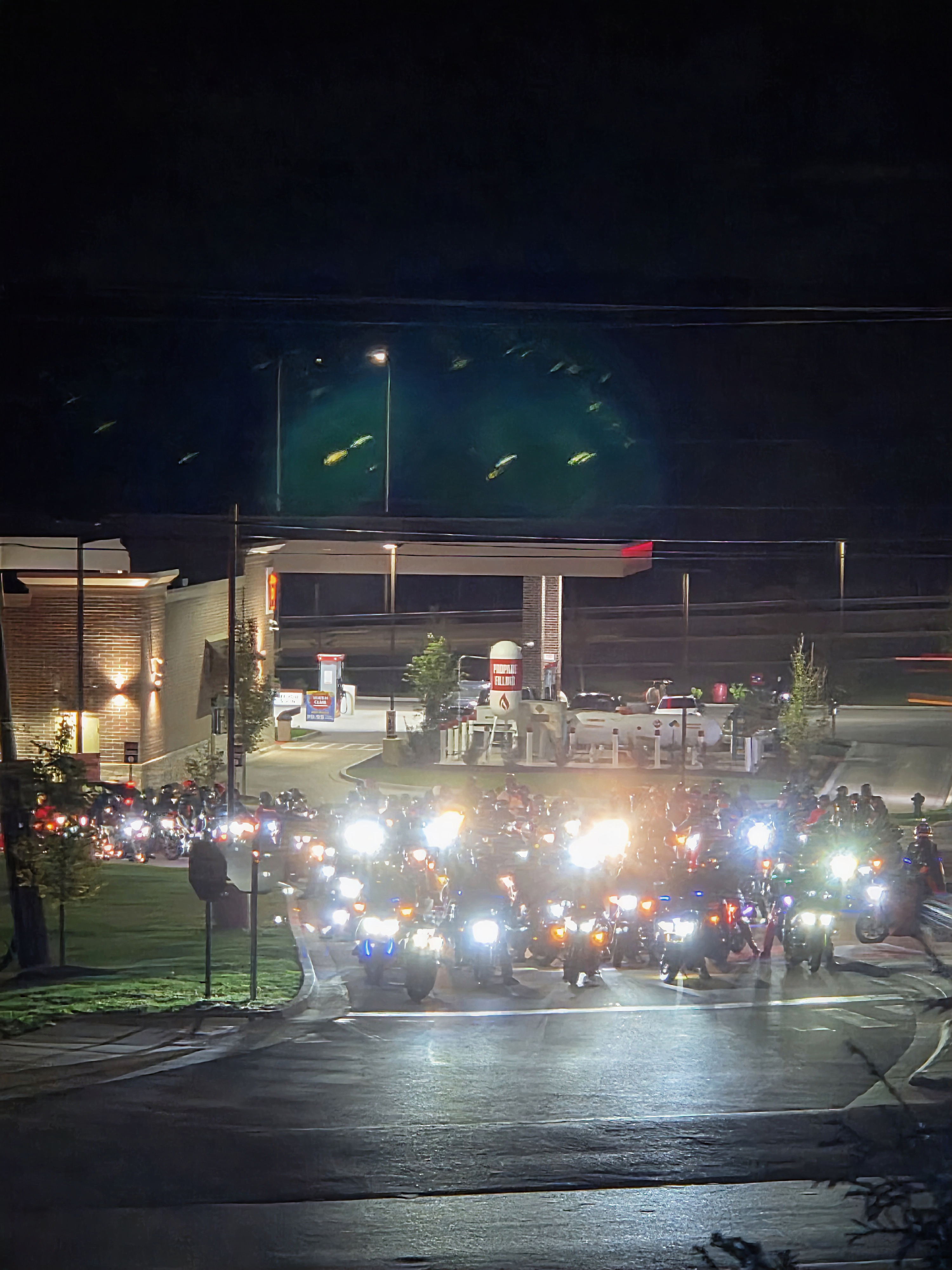
The existing Gas N Wash location on Route 83 has repeatedly attracted large gatherings of motorcycle groups that create excessive noise and disrupt the peace of surrounding neighborhoods. On October 14, 2025, residents documented yet another gathering at the Gas N Wash facility. You can view the 30 second video here or view below. This isn't an isolated incident. Previous gatherings earlier in 2025 have been even larger, with double the number of motorcycles present and suspected illegal activities occurring on the property.
Local authorities, including the Lemont Police Department, have been notified of these recurring incidents. However, the problem persists. The gas station's location and 24-hour operations make it an attractive gathering spot for large motorcycle groups, which create noise levels that fundamentally disrupt the residential character of the surrounding area. For families with young children, elderly residents, and anyone seeking a peaceful home environment, these late night and early-morning disruptions represent an ongoing quality of life issue that is directly tied to the facility's operations. This pattern of disturbances demonstrates how commercial truck stop operations can attract activities that are incompatible with residential neighborhoods and underscores the community's legitimate concerns about any development of such facilities in our neighborhood.